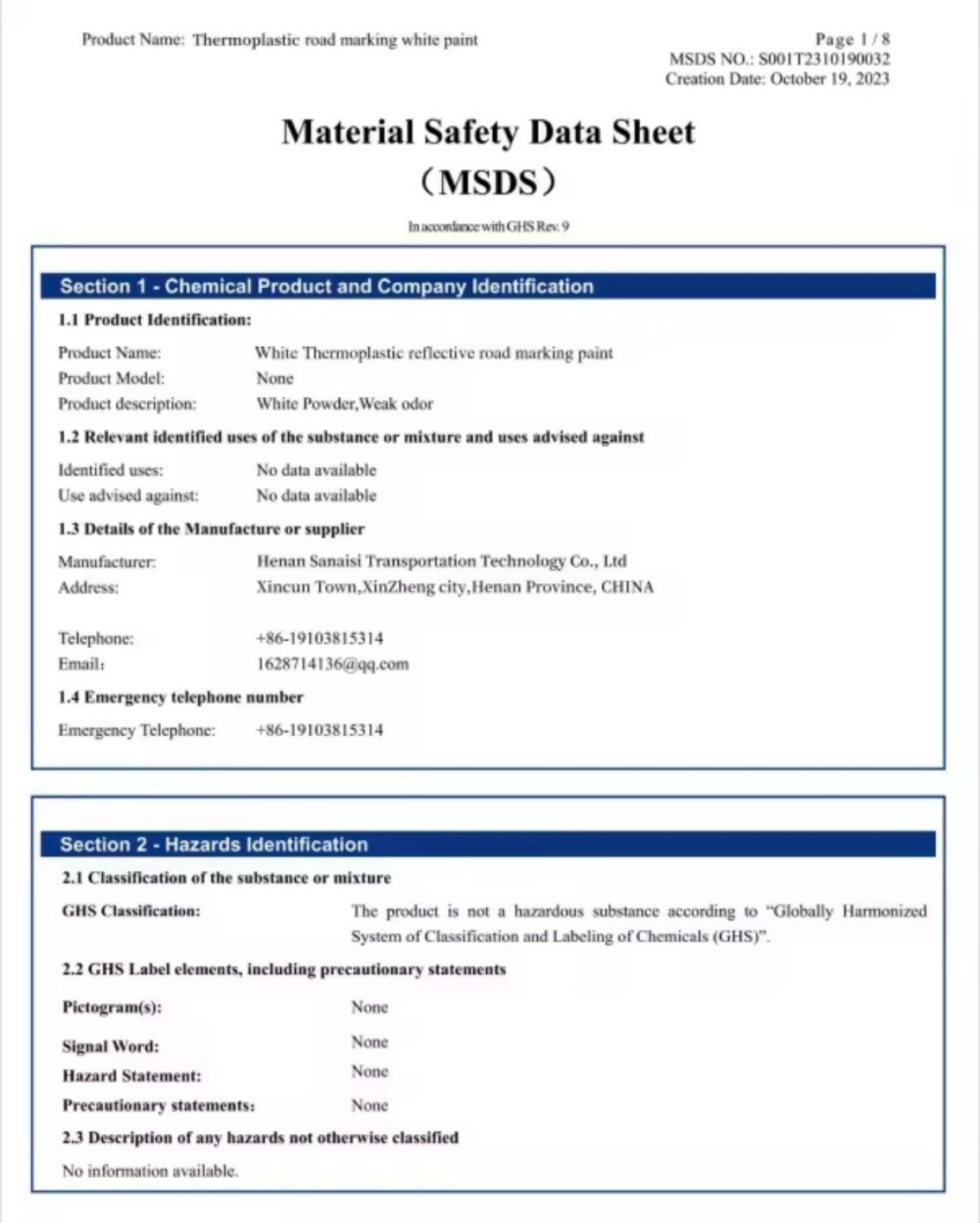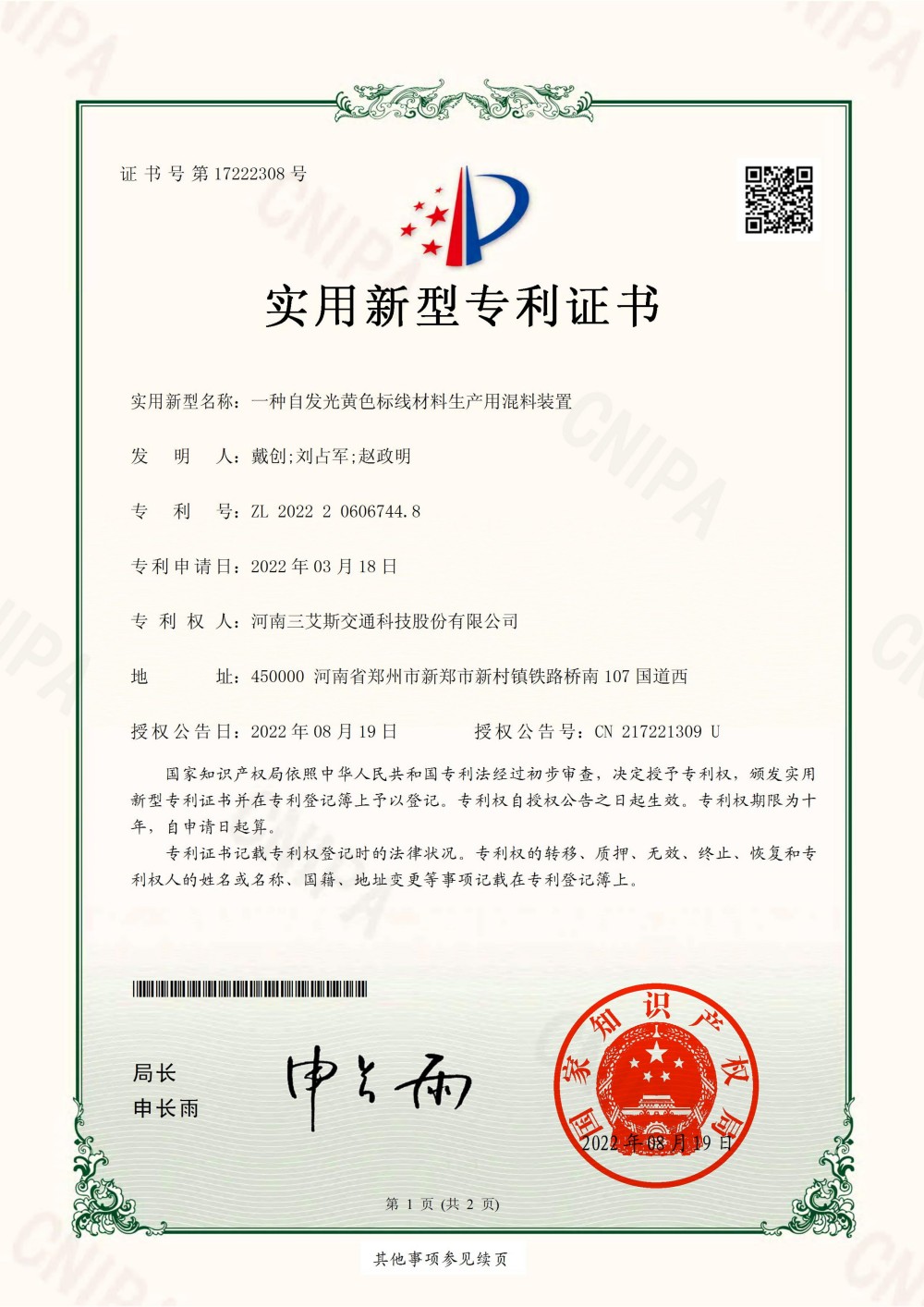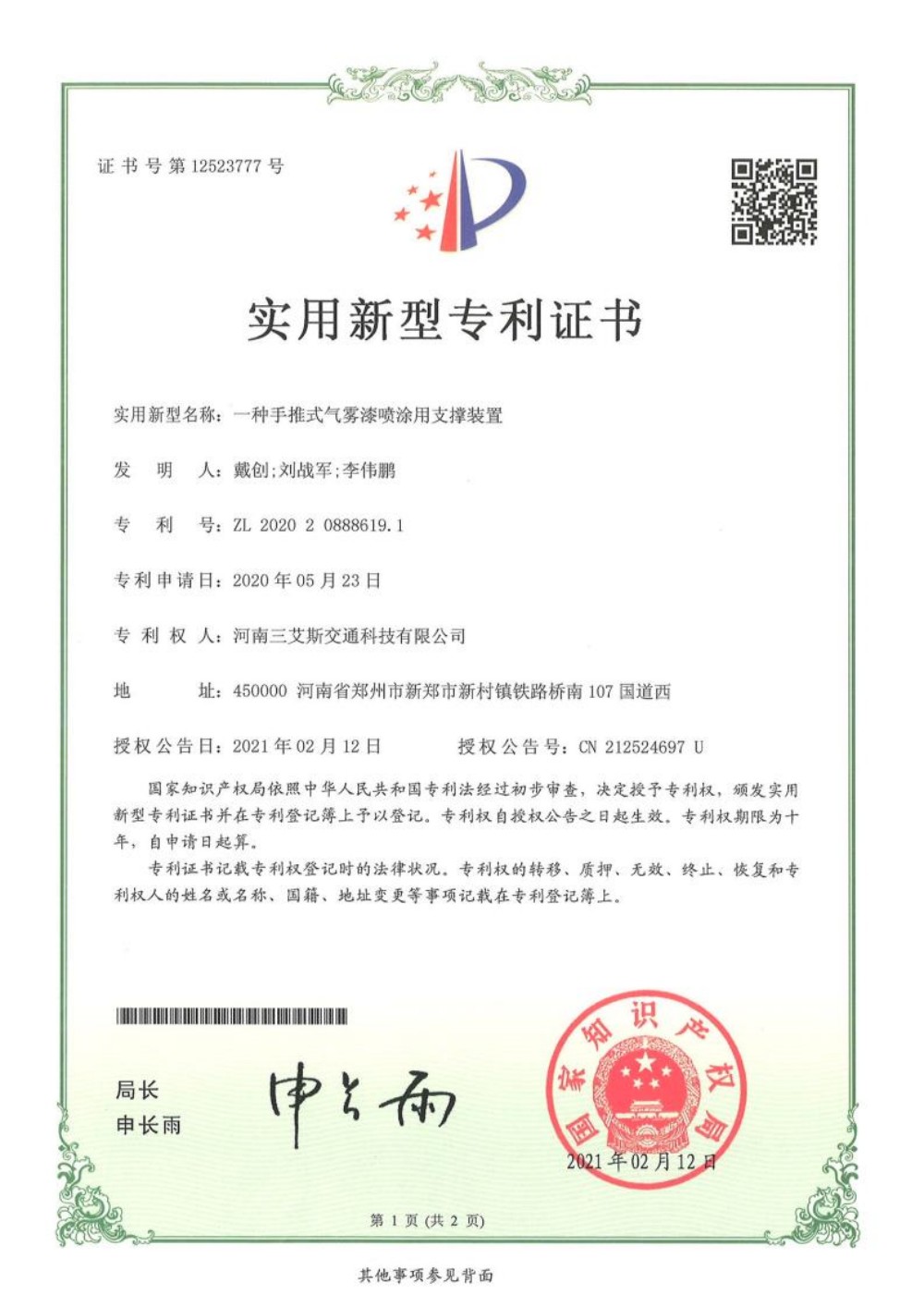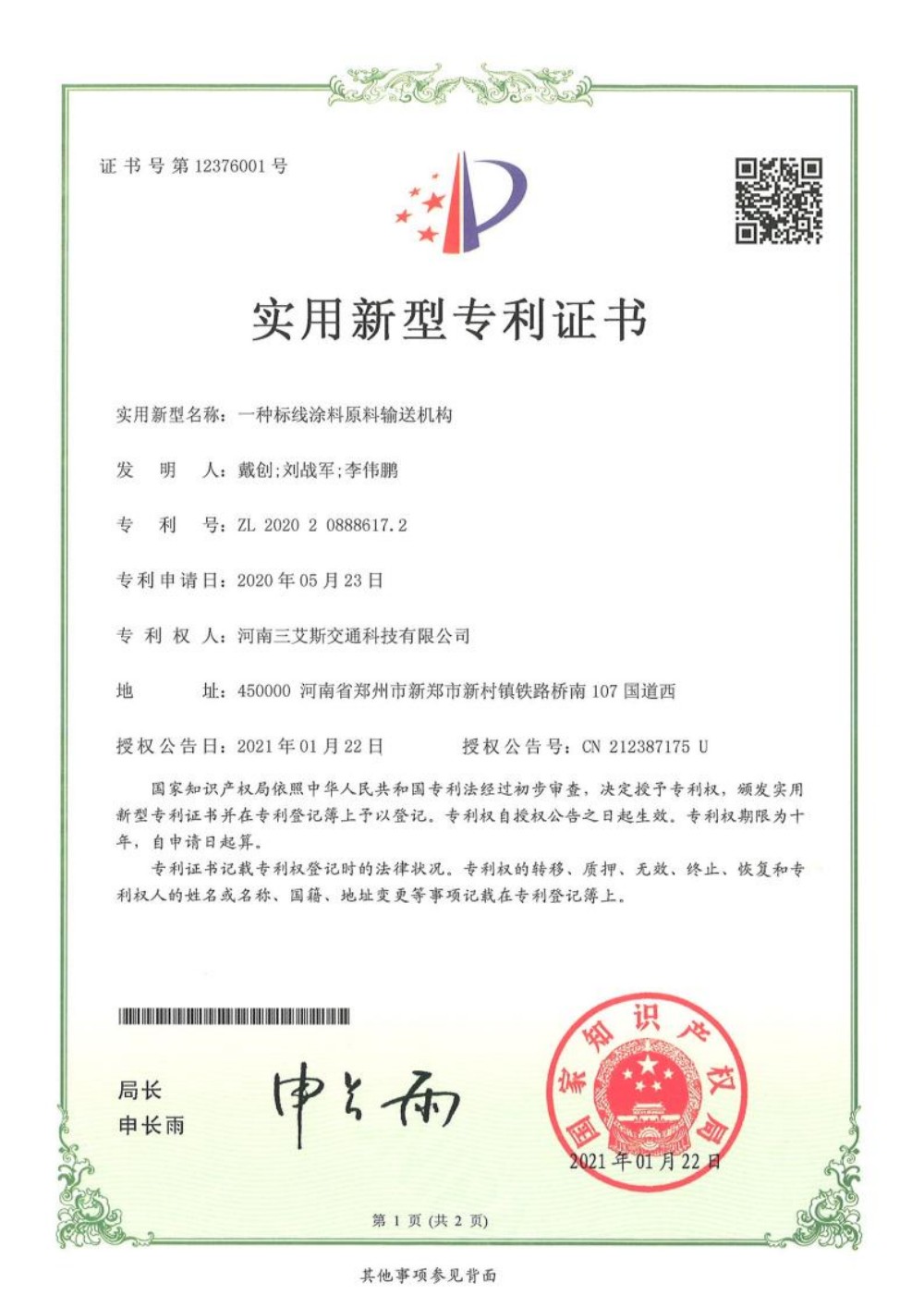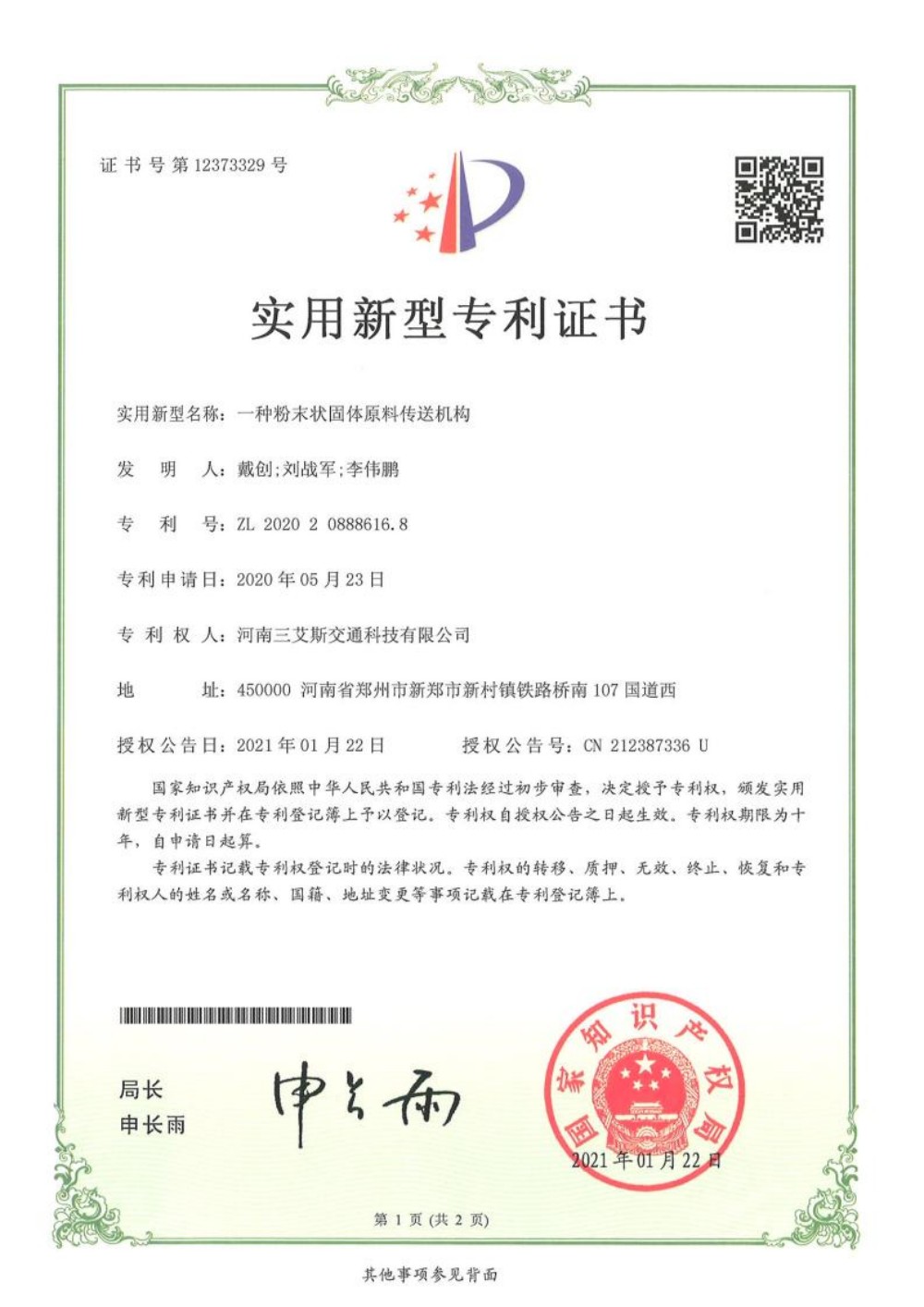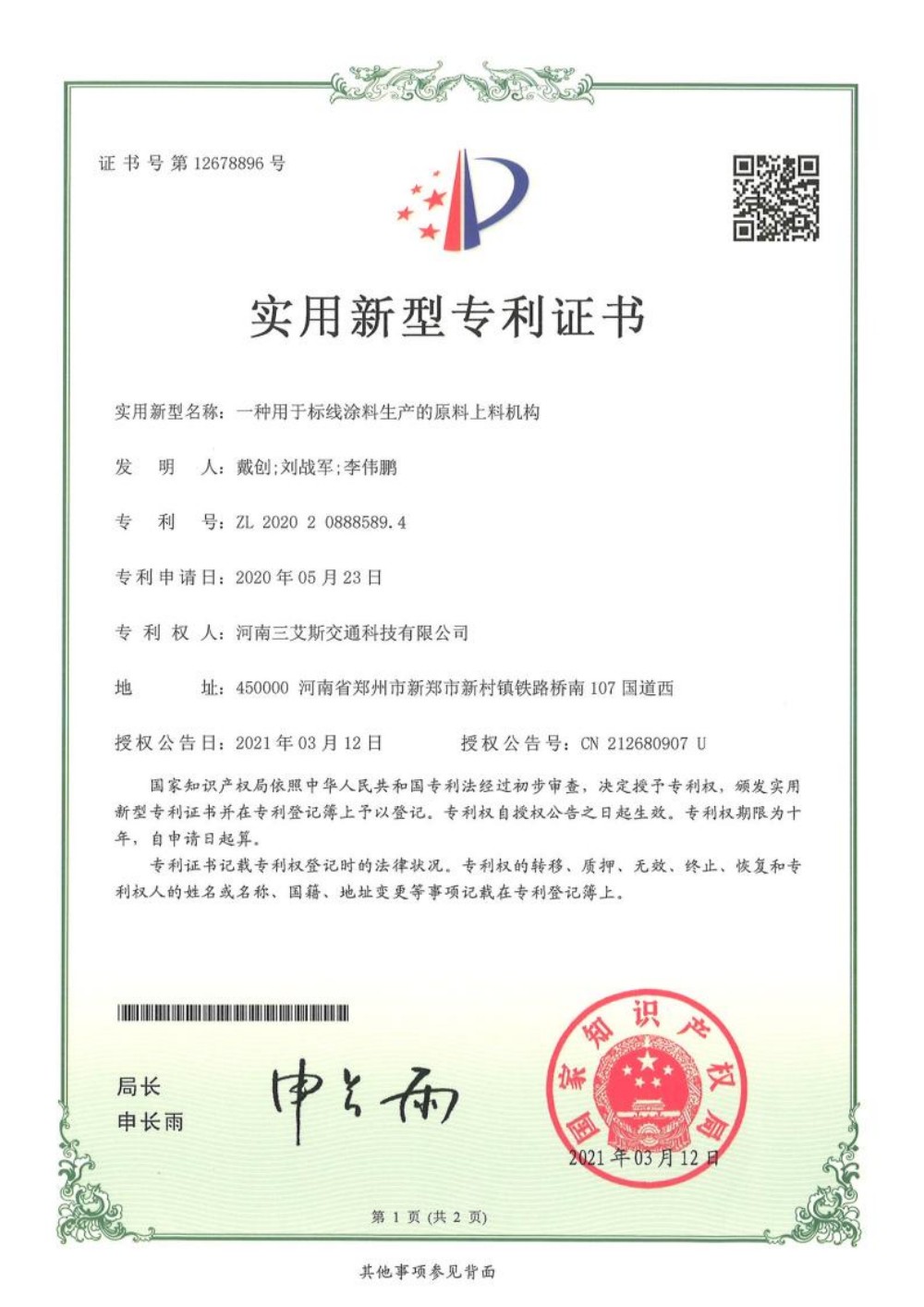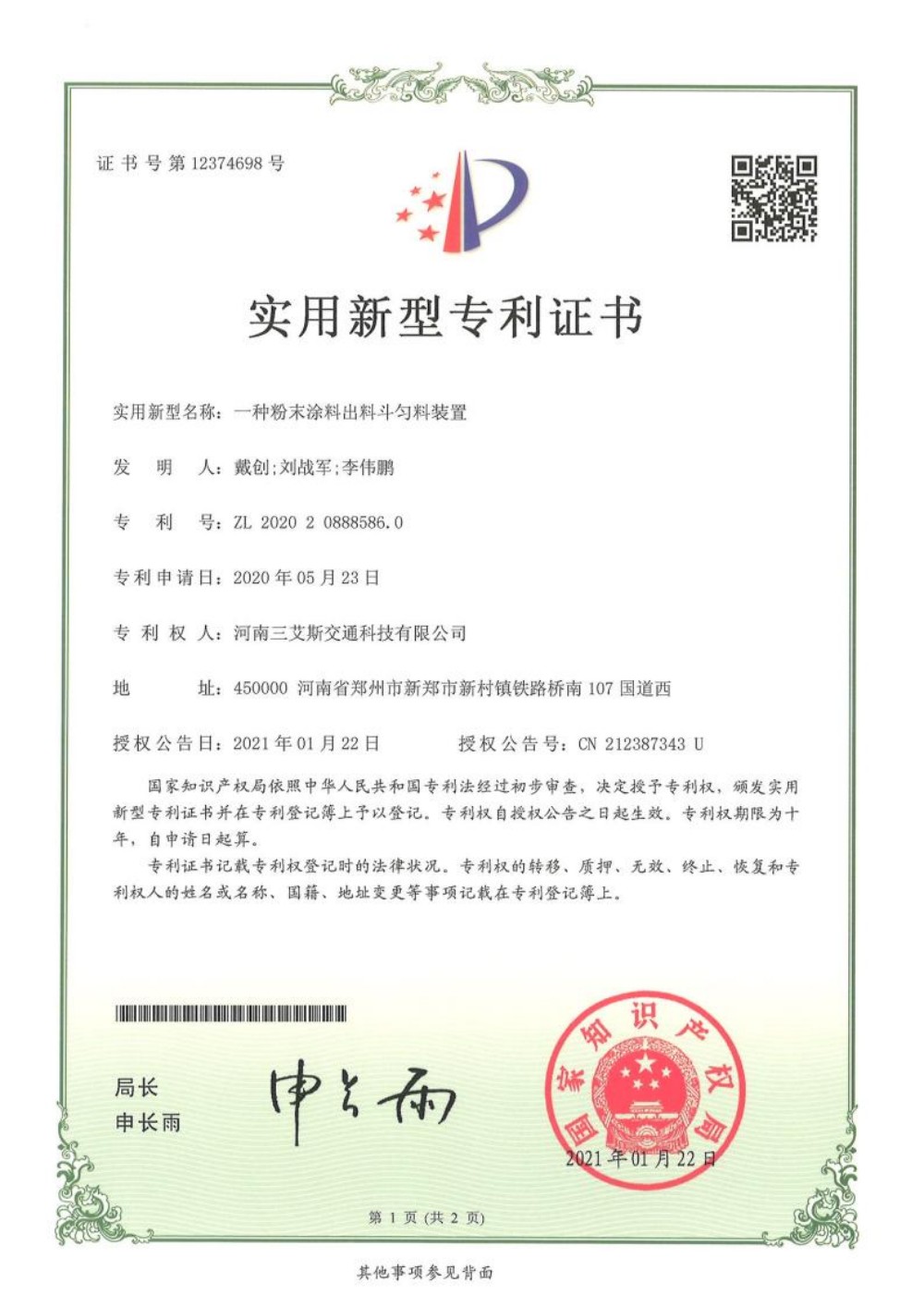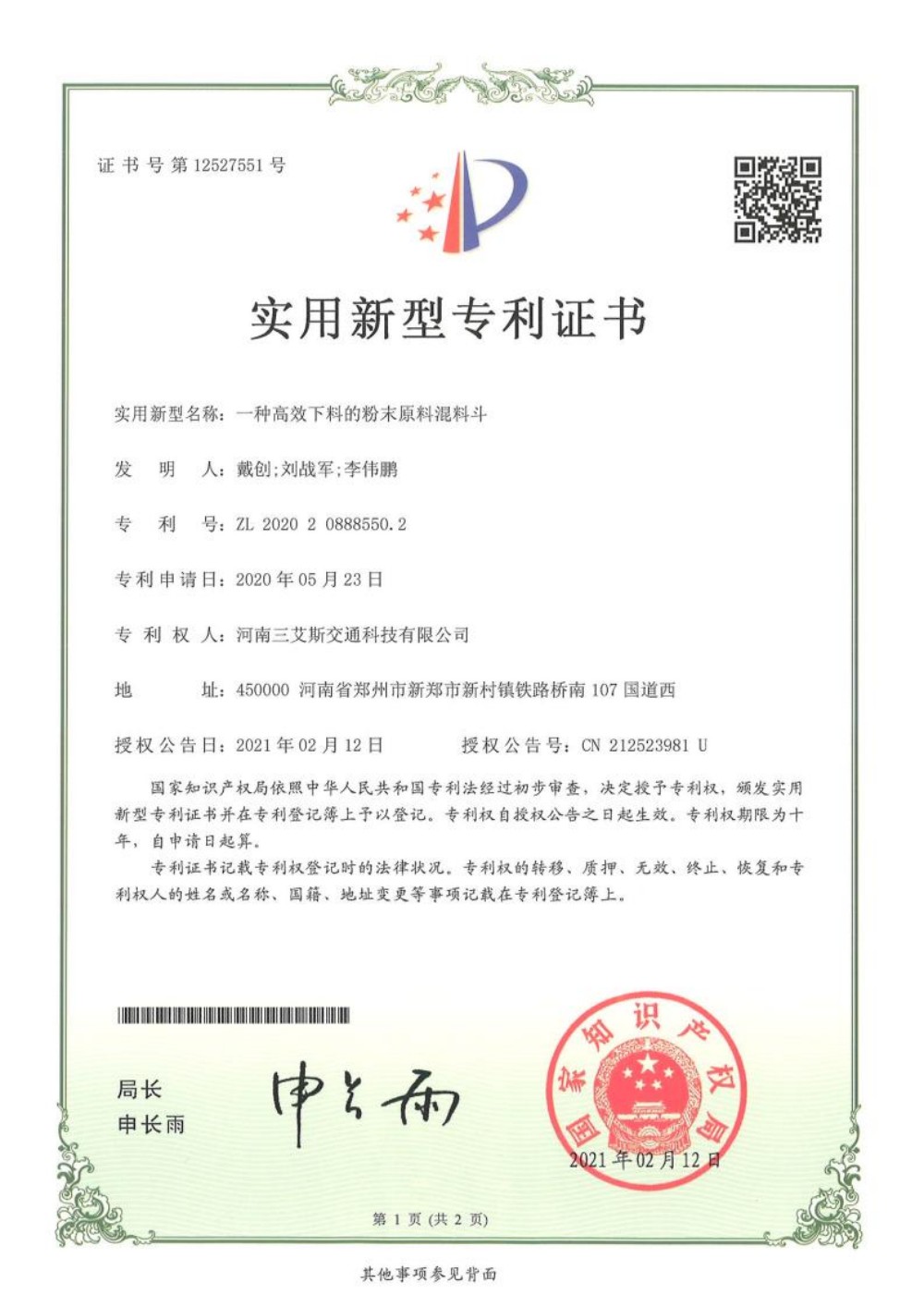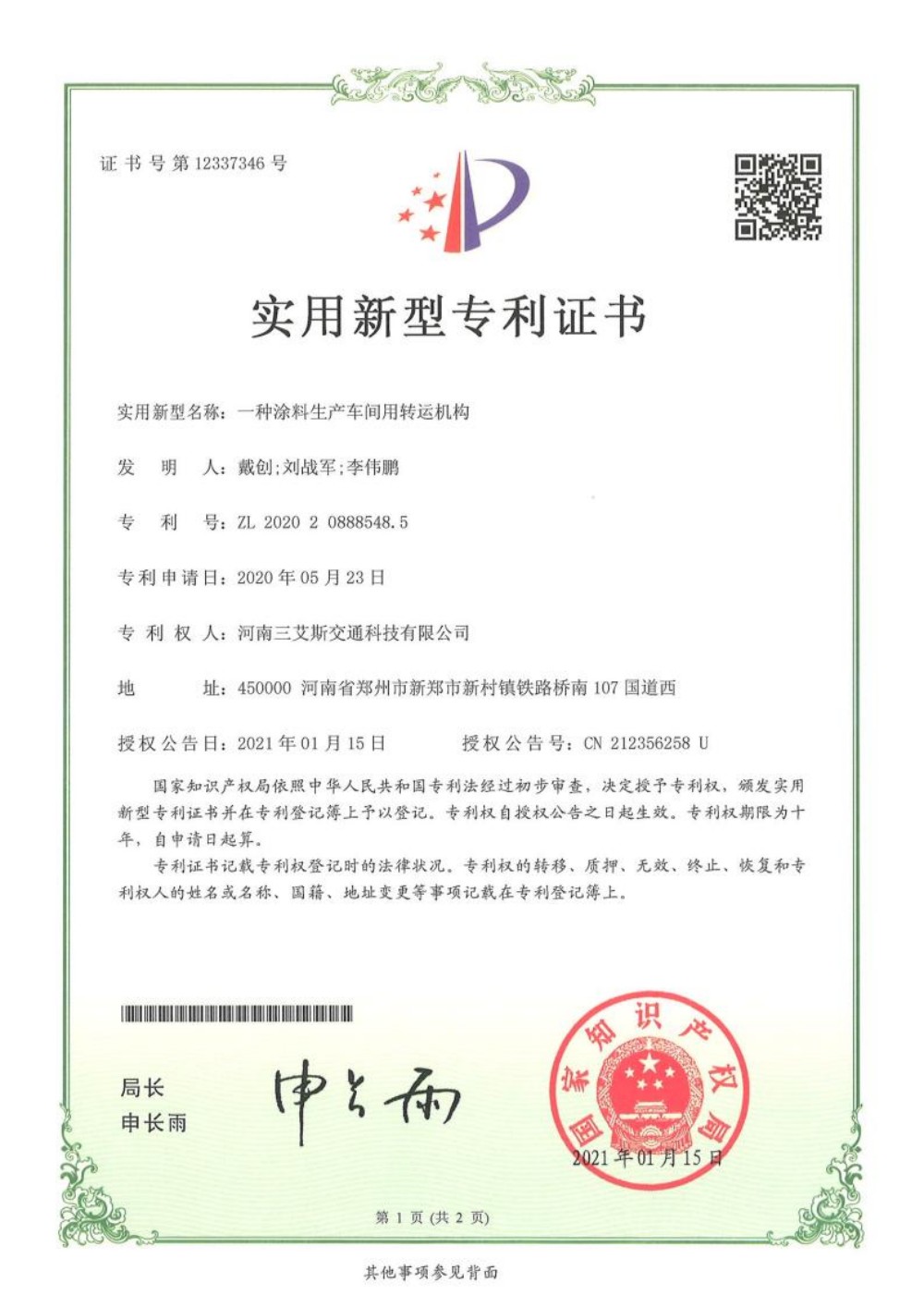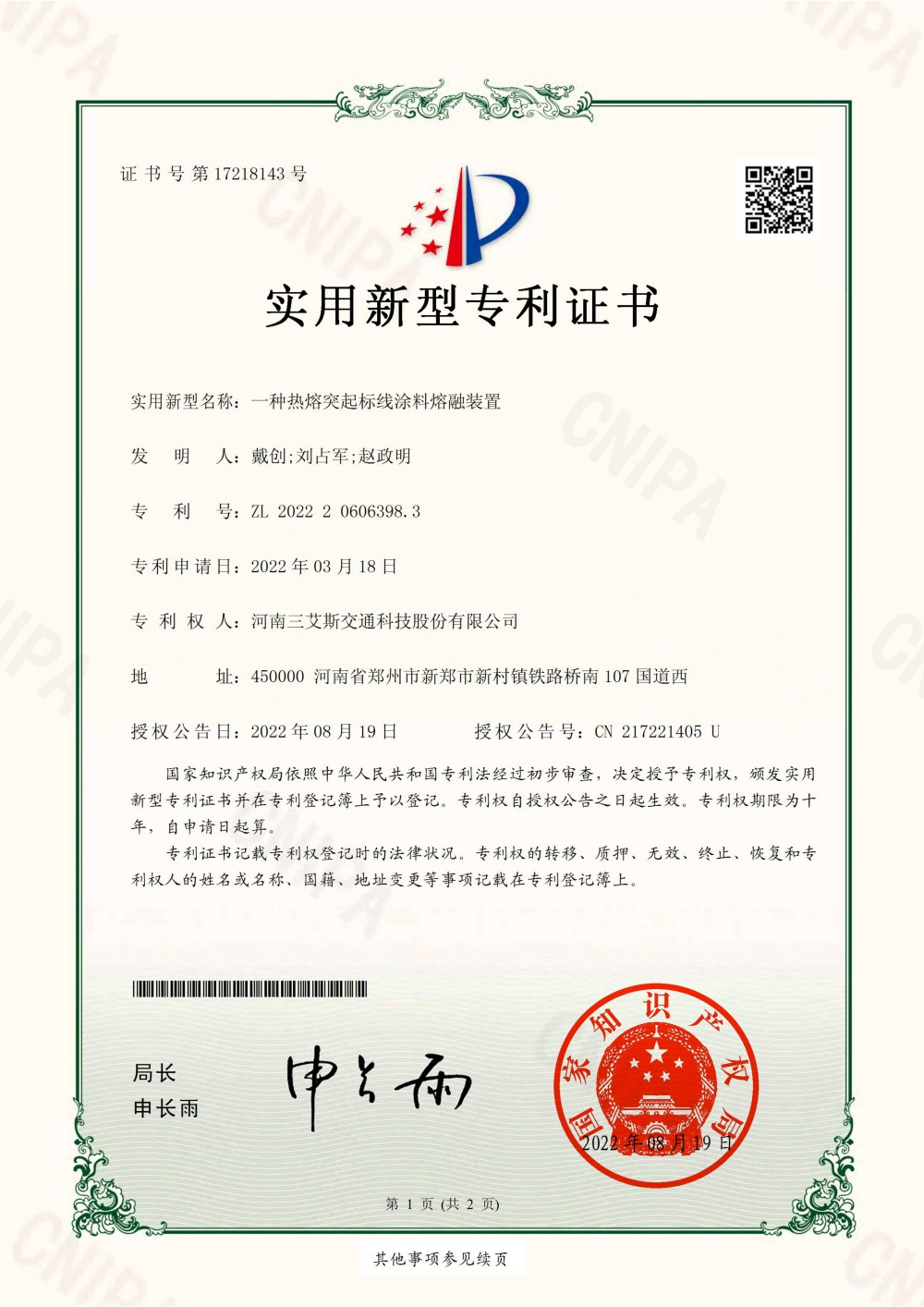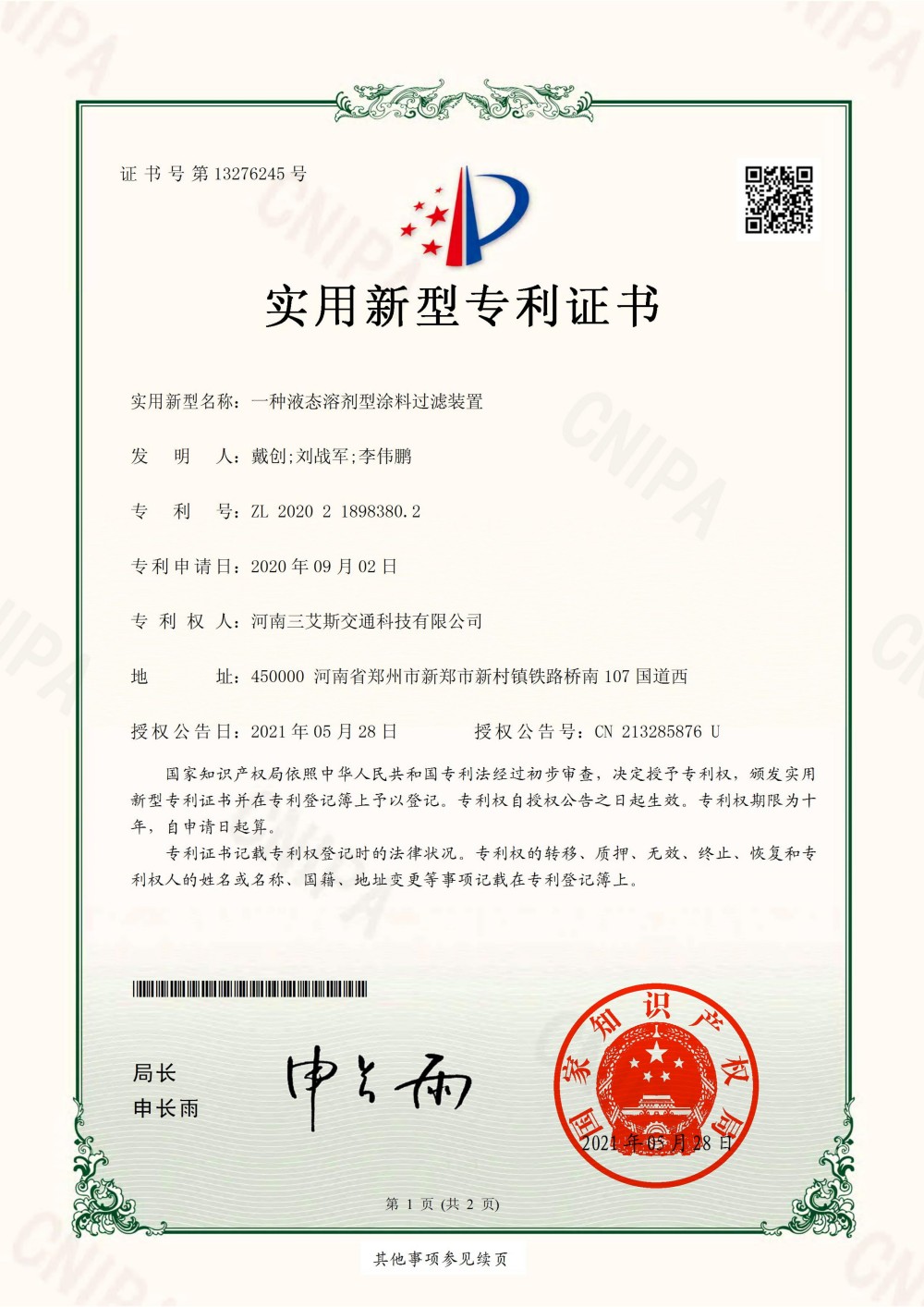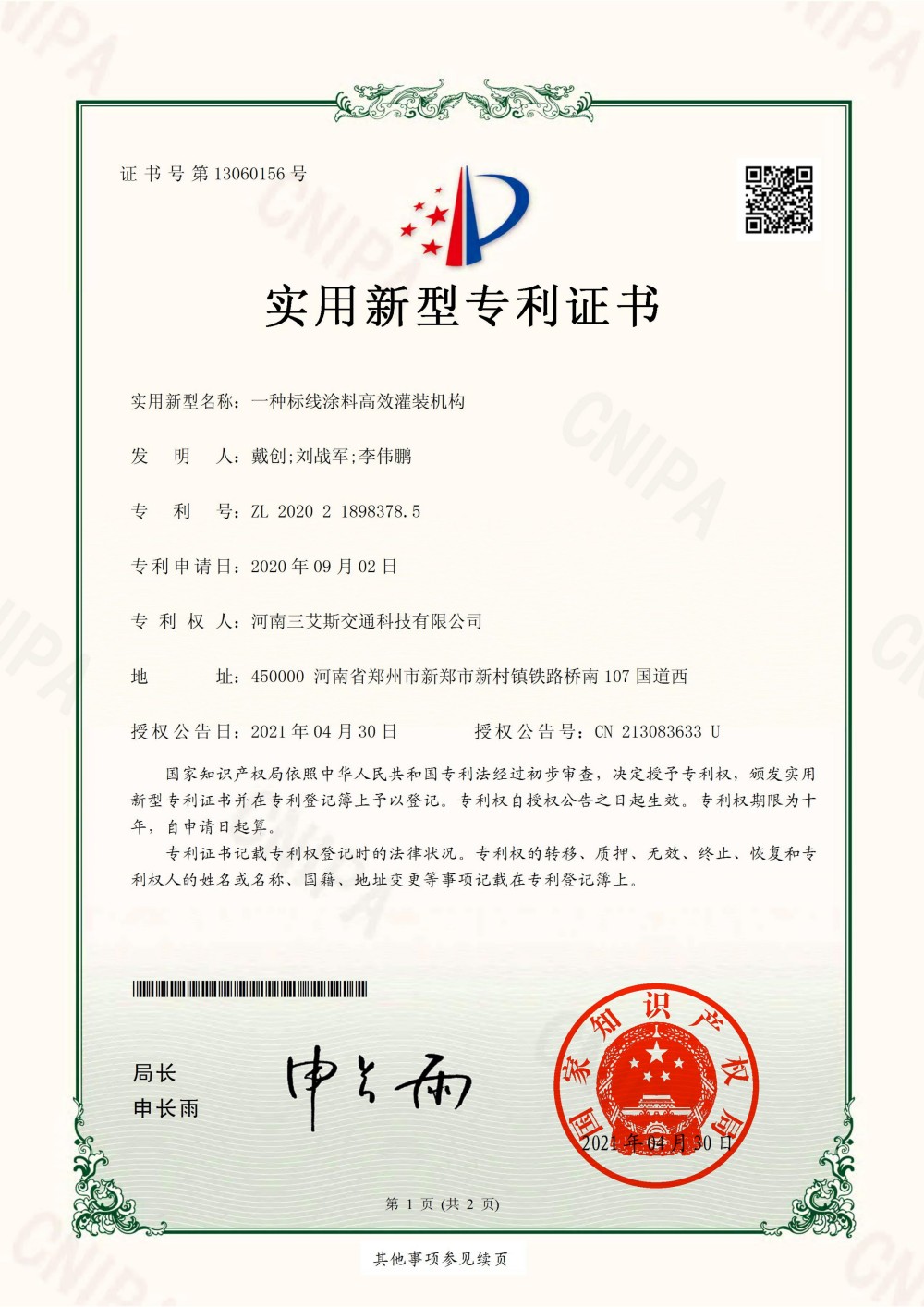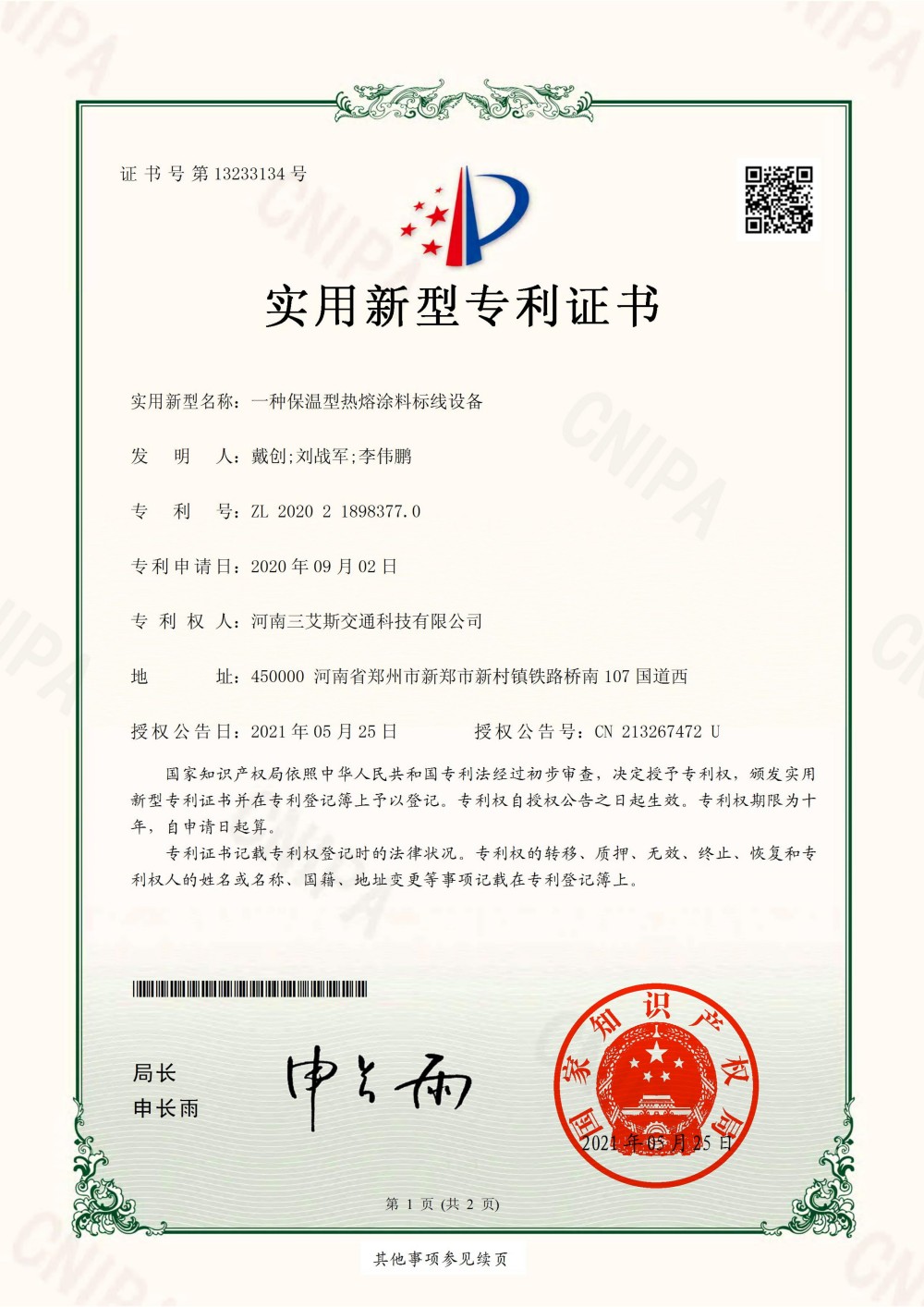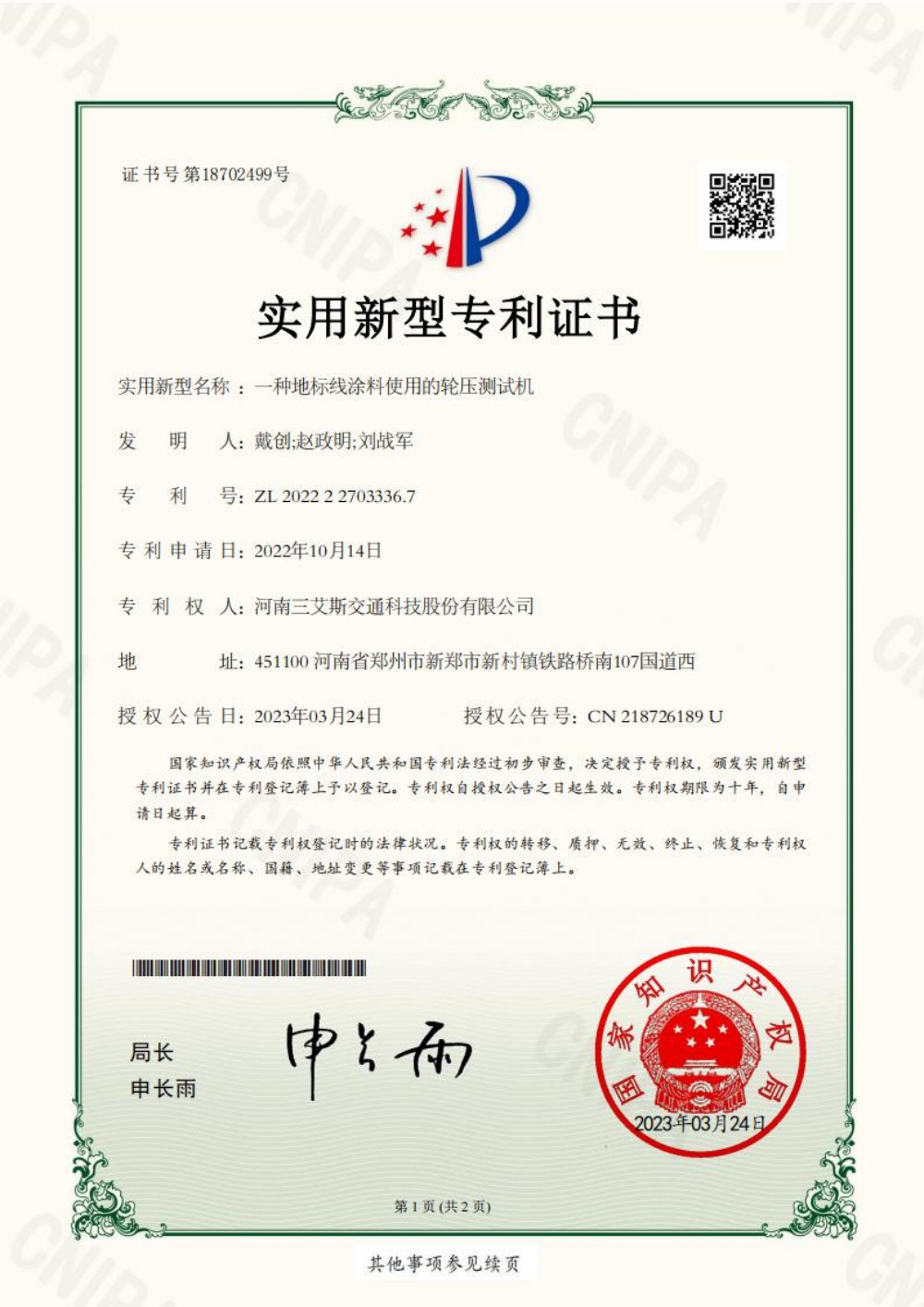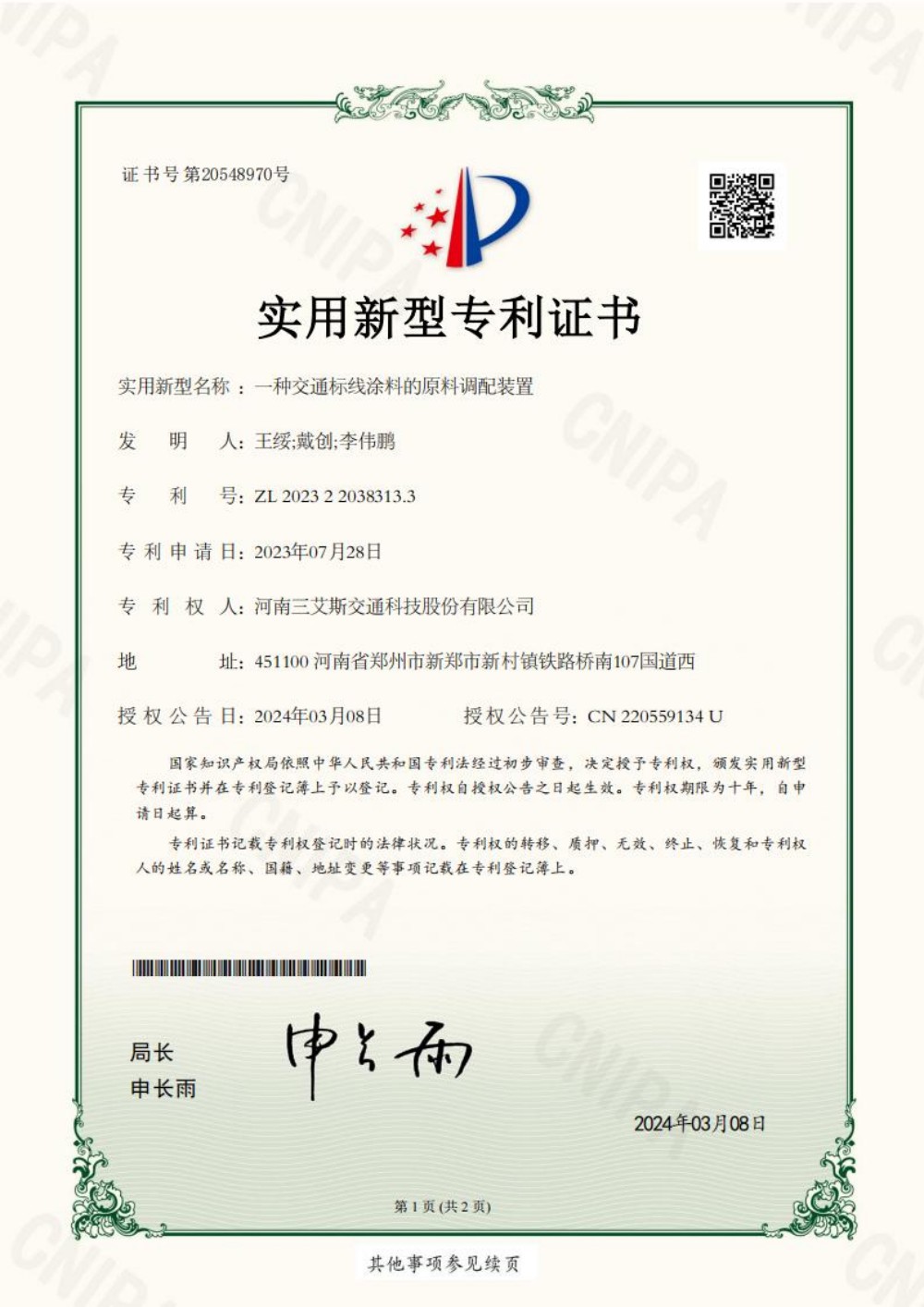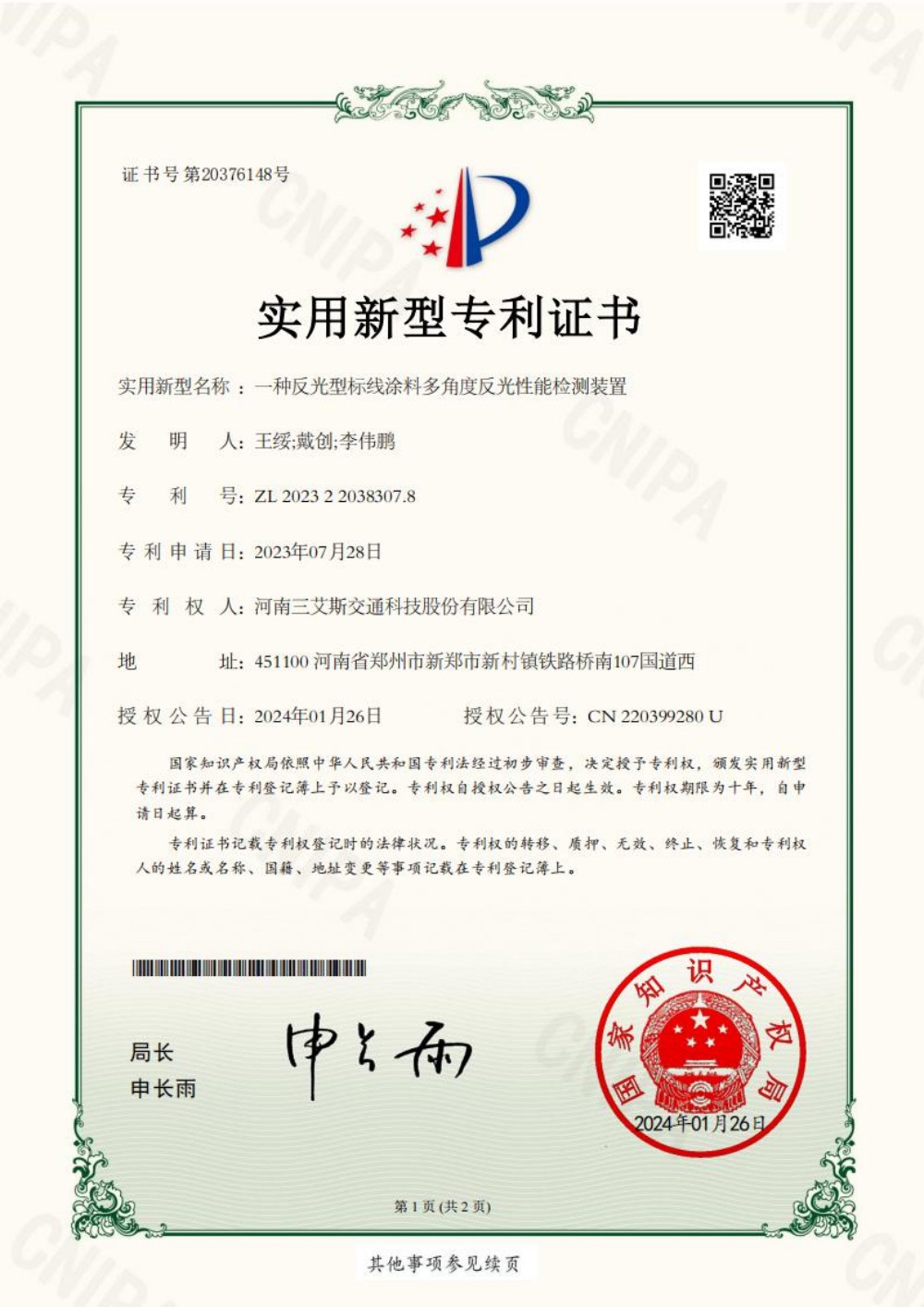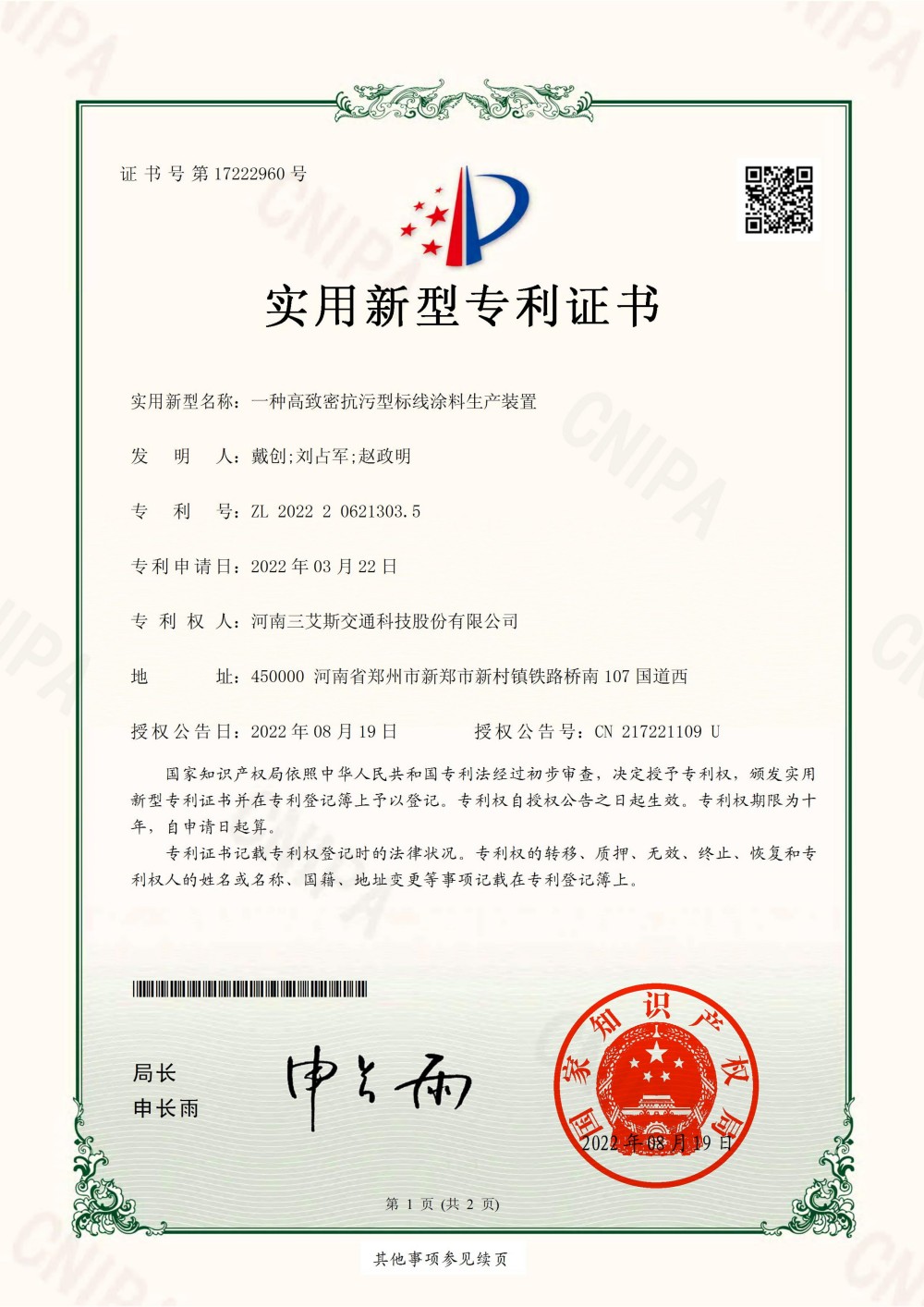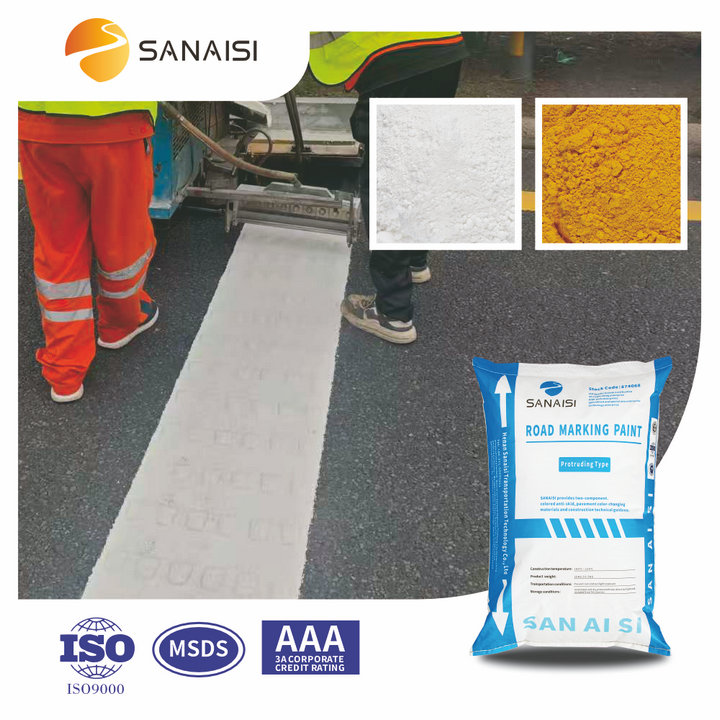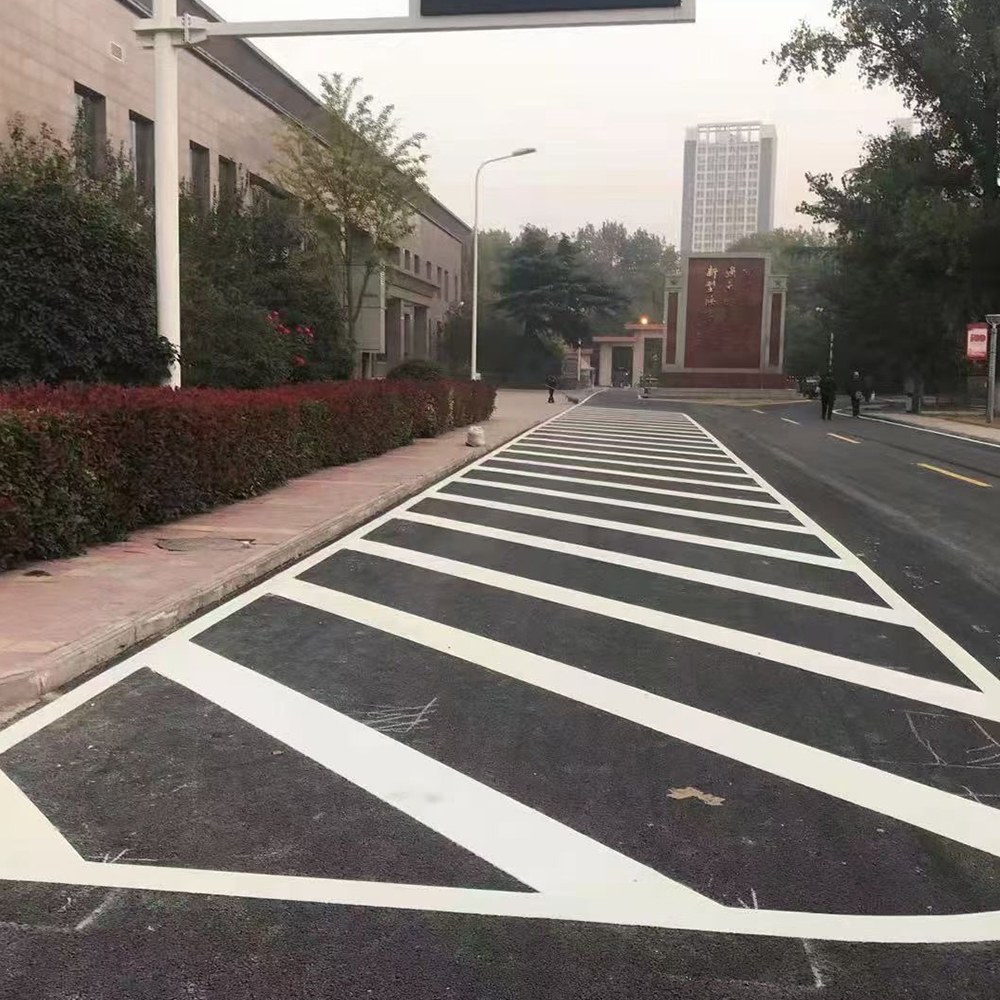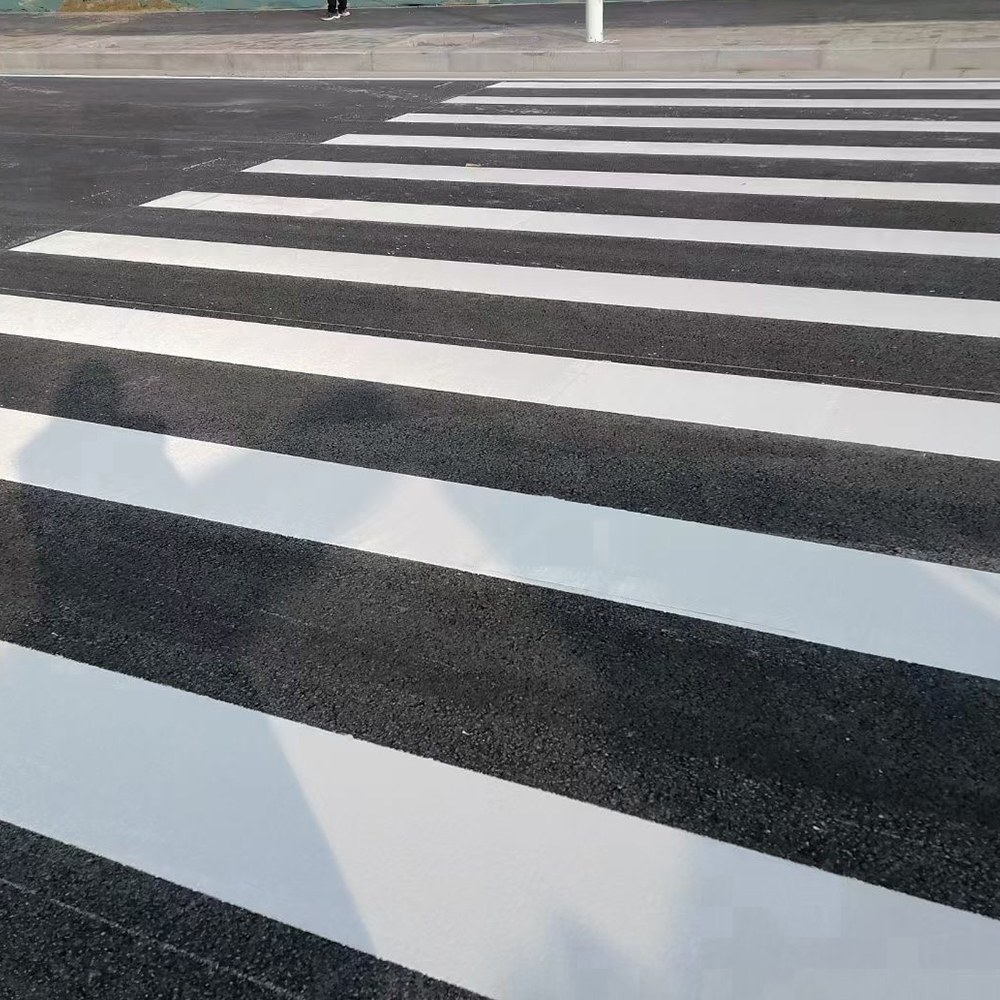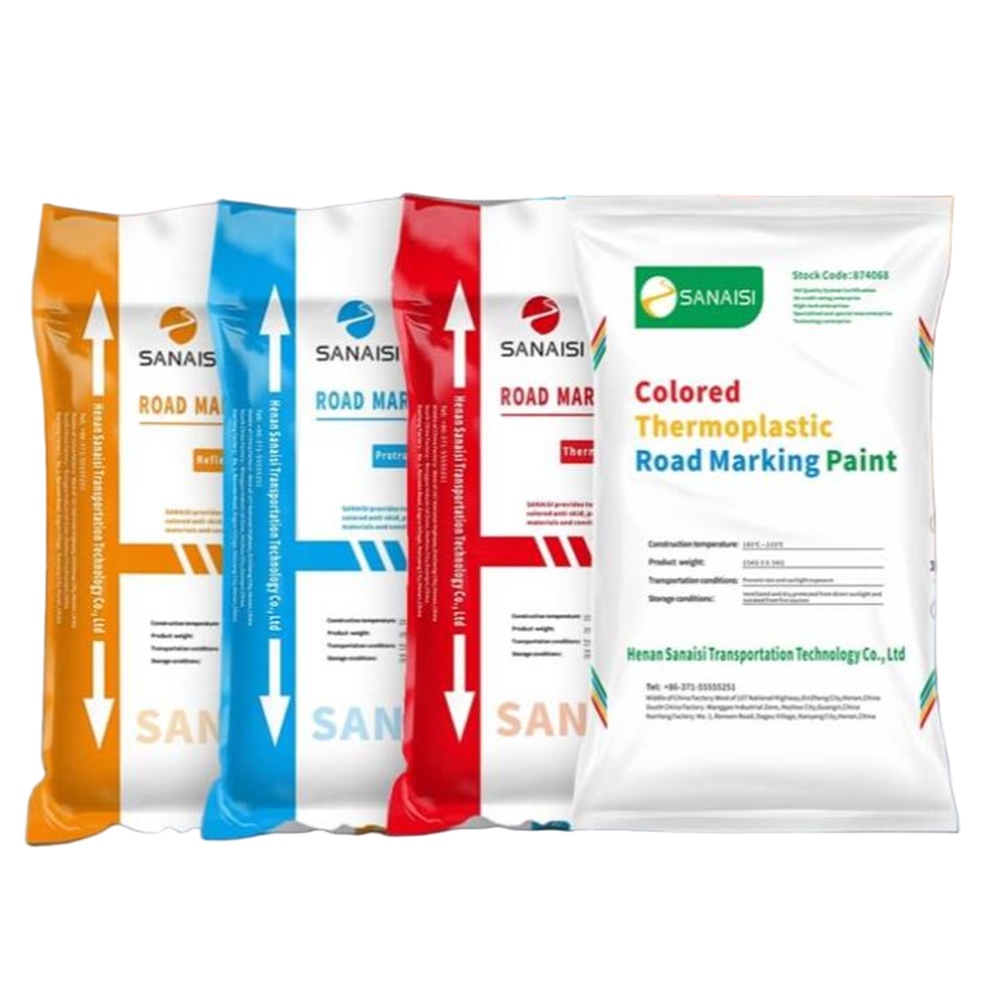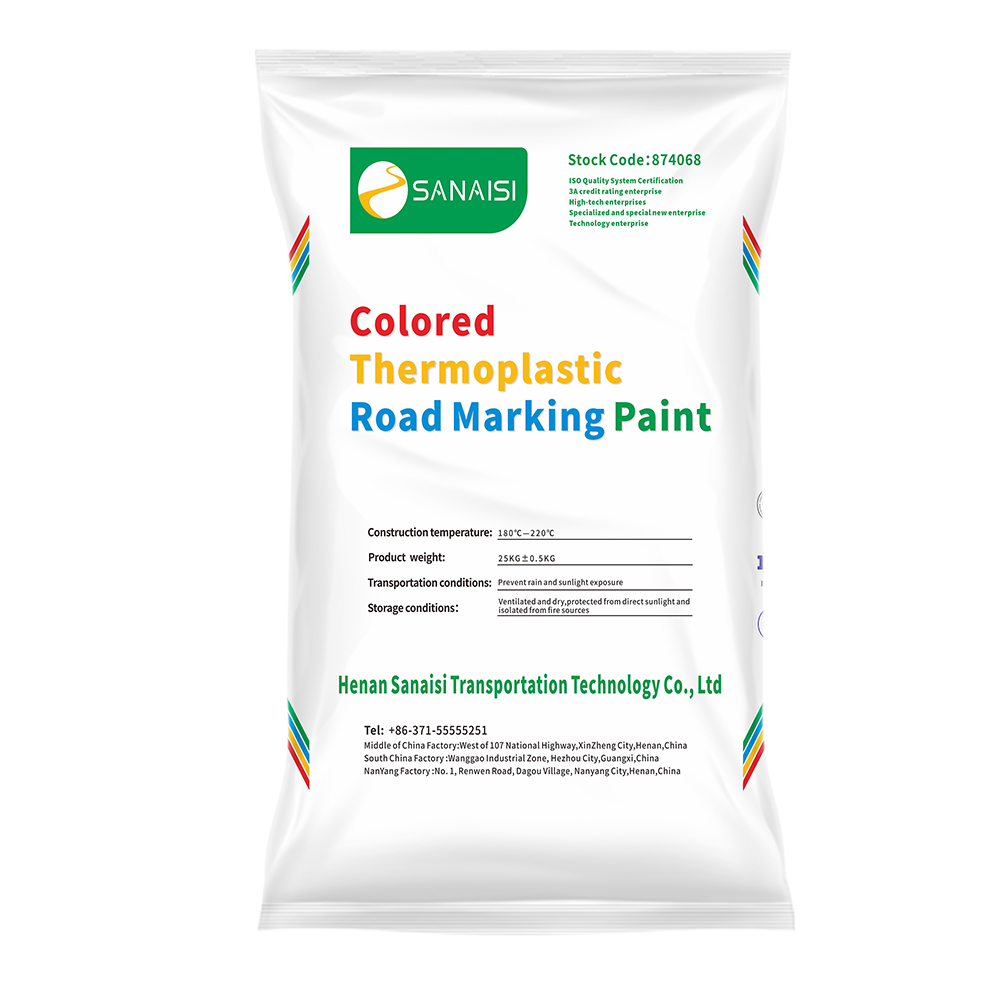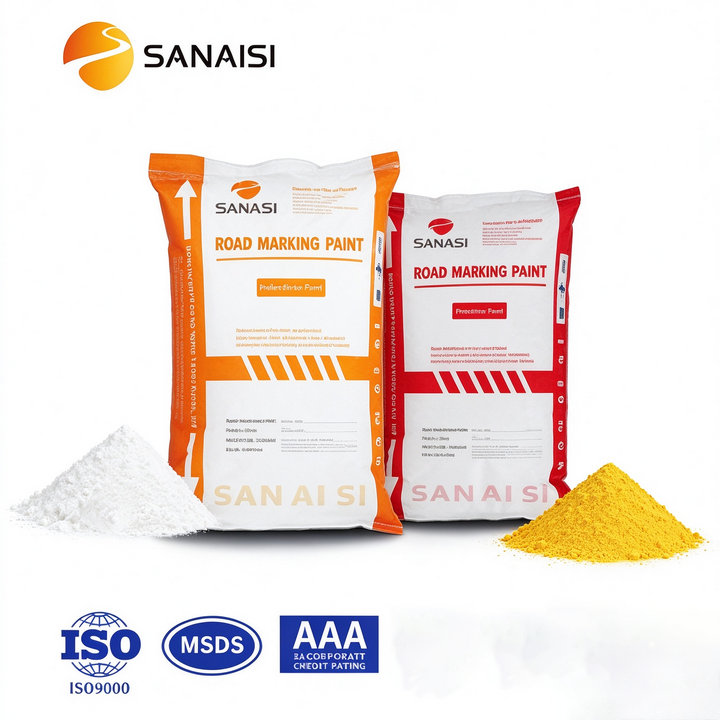
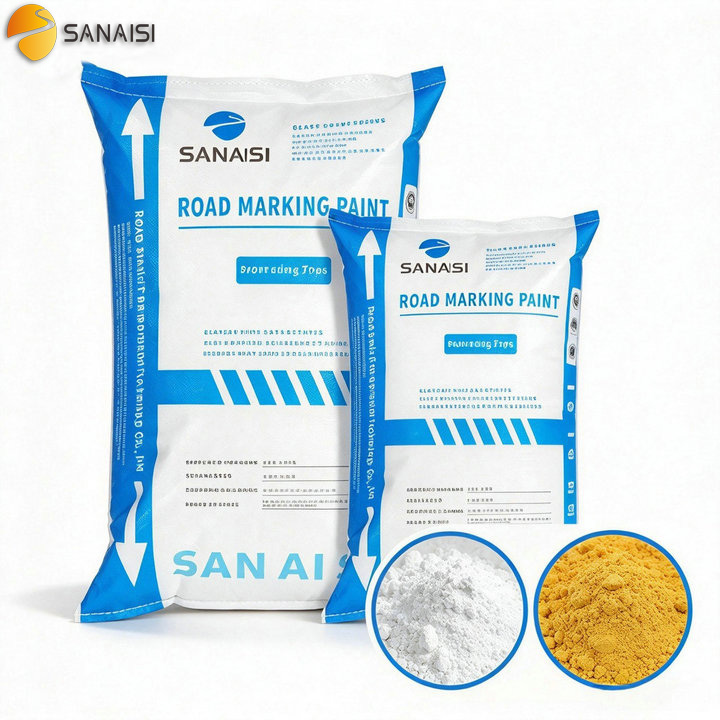
Thermoplastic road marking paint consists of resin, EVA, PE wax, fillers materials, glass beads and so on. It is powder condition at normal temperature. When heated to 180-200 degrees by hydraulic cylinder pre-heater, it will appears flow condition. Use the road marking machine to scrape the paint to the road surface will form hard film. It has full line type, strong wearing resistance. Spray reflective micro glass beads on the surface, it can have good reflectve effect at night. It is widely applied in highway and city road. According to the environment used and the different construction requirements, we can supply different types of paint for our customer demands.
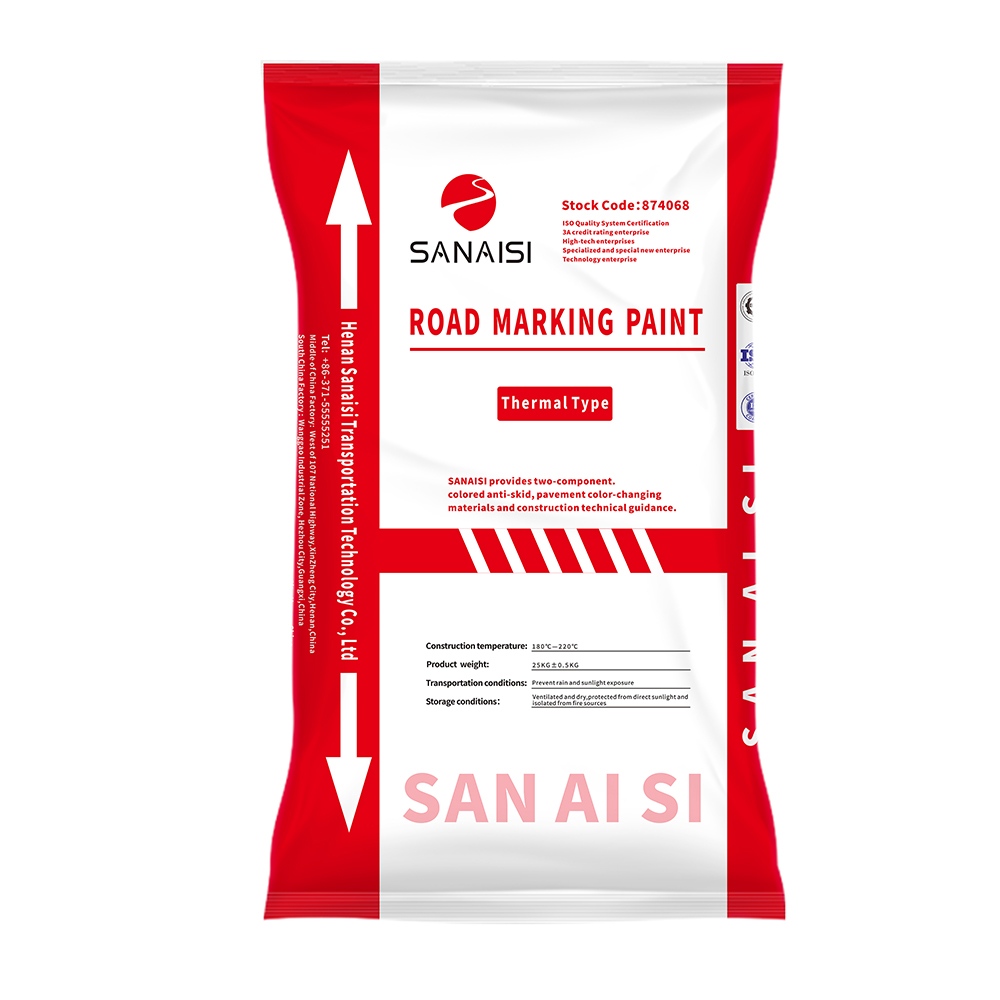
| Item | Specification |
| Product Name | Thermoplastic Road Marking Paint |
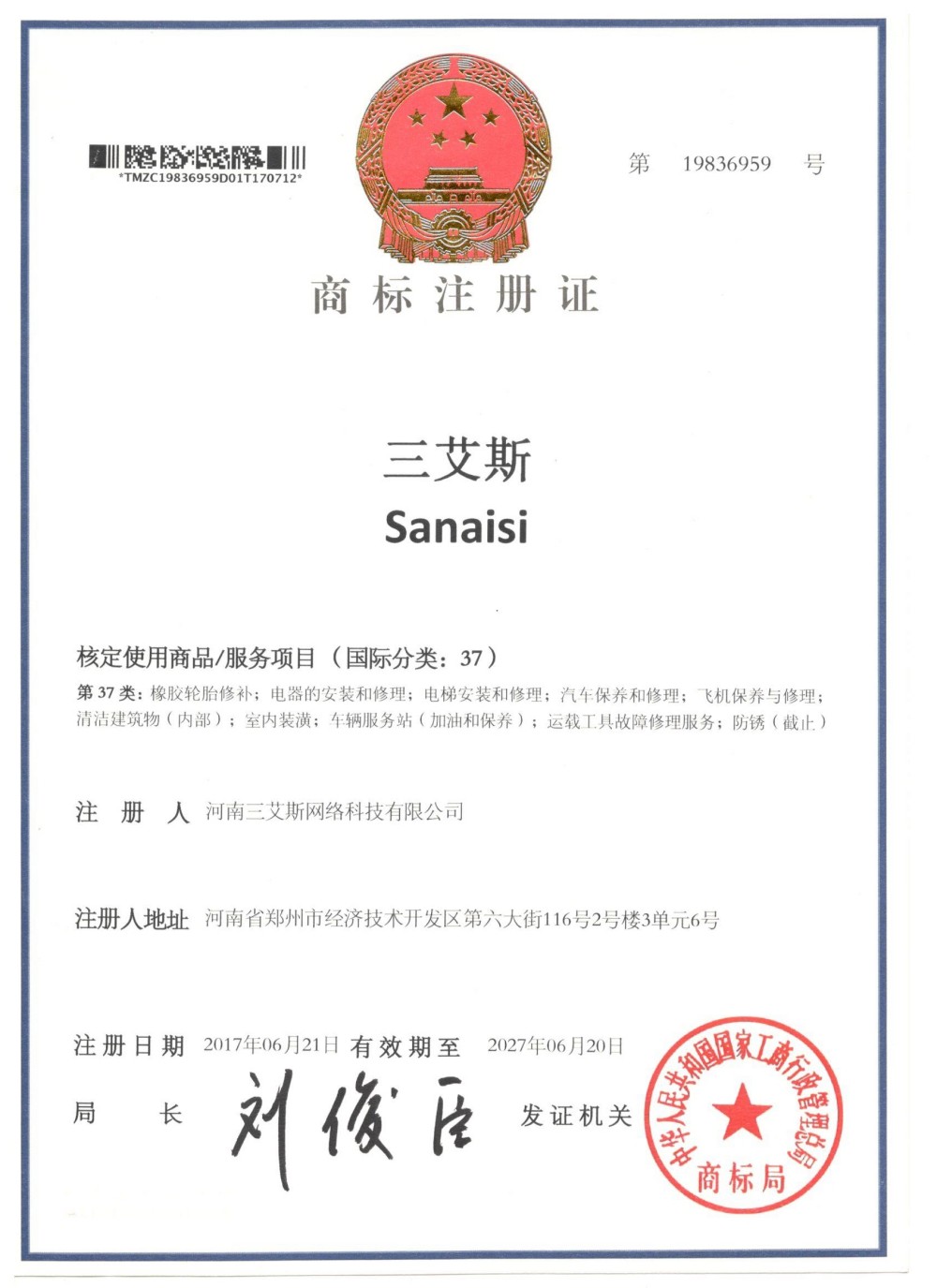
| Brand | SANAISI |
| Type | Normal Thermoplastic Road Powder Paint |
| Glass Bead Configuration | No Pre-Mixed Glass Beads |
| State | Powder |
| Appearance | Powder |
| Main Raw Materials | Resin, CaCO3, SiO2, TiO2, Plasticizer |
| Main Formulation | C5 Resin, EVA, PE Wax, Titanium Dioxide, Fillers |
| Standard Colors | White / Yellow |
| Softening Point | 104°C |
| Heating Temperature | 180–220°C |
| Touch / Full Dry Time | 3 / 15 Min |
| Weight | 25 Kg/bag |
| Feature | Strong Adhesion |
| Shelf Life | 12 Months |
| Application | Road Surface Traffic Markings |
The base material contains no pre-mixed reflective beads, giving road marking contractors greater control over whether reflective beads are required for a specific project.
The hot-melt formulation forms a bonded coating after heating, application and cooling, helping create clean traffic lines on prepared pavement.
Once cooled, the applied thermoplastic material develops into a hard film suitable for road areas exposed to vehicle traffic.
For projects requiring nighttime reflection, micro glass beads can be sprayed onto the fresh thermoplastic surface during construction.
Reference touch and full drying times are approximately 3 and 15 minutes, helping reduce the waiting period after line application.
The material is supplied in common traffic marking colors including white and yellow.
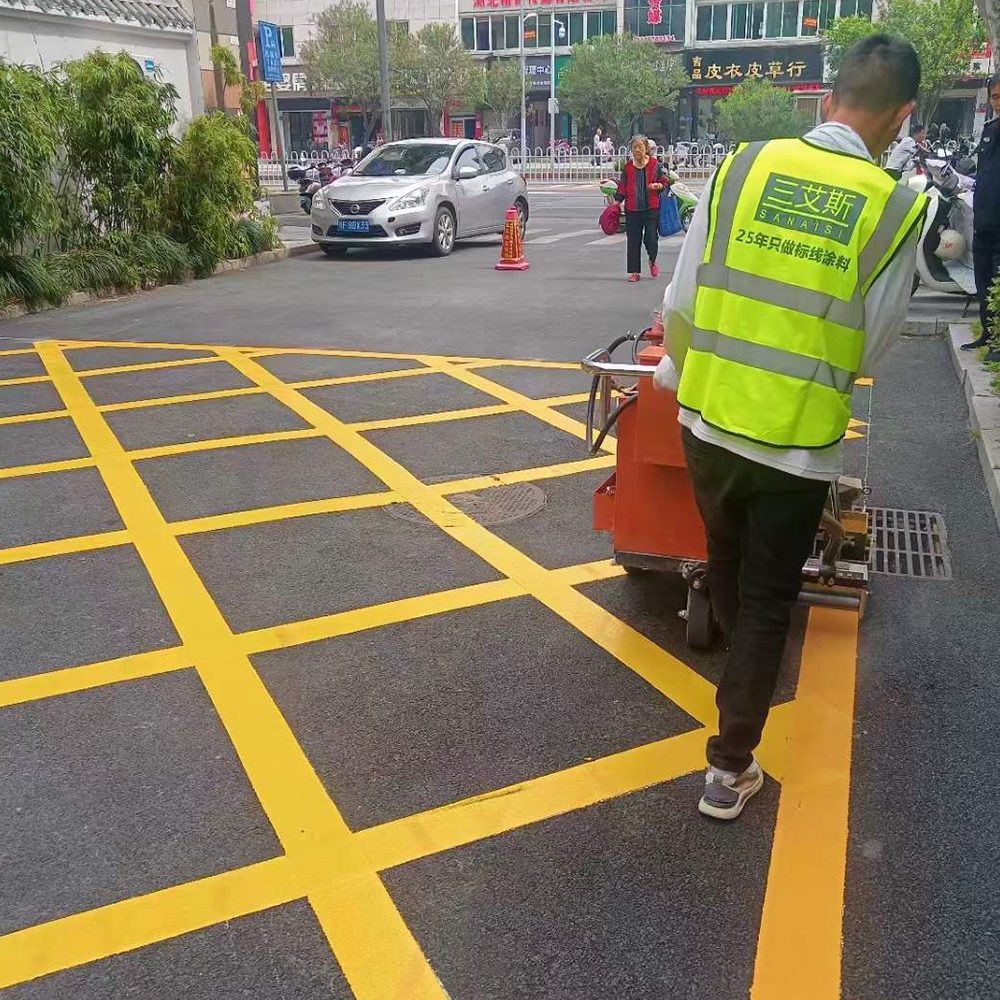
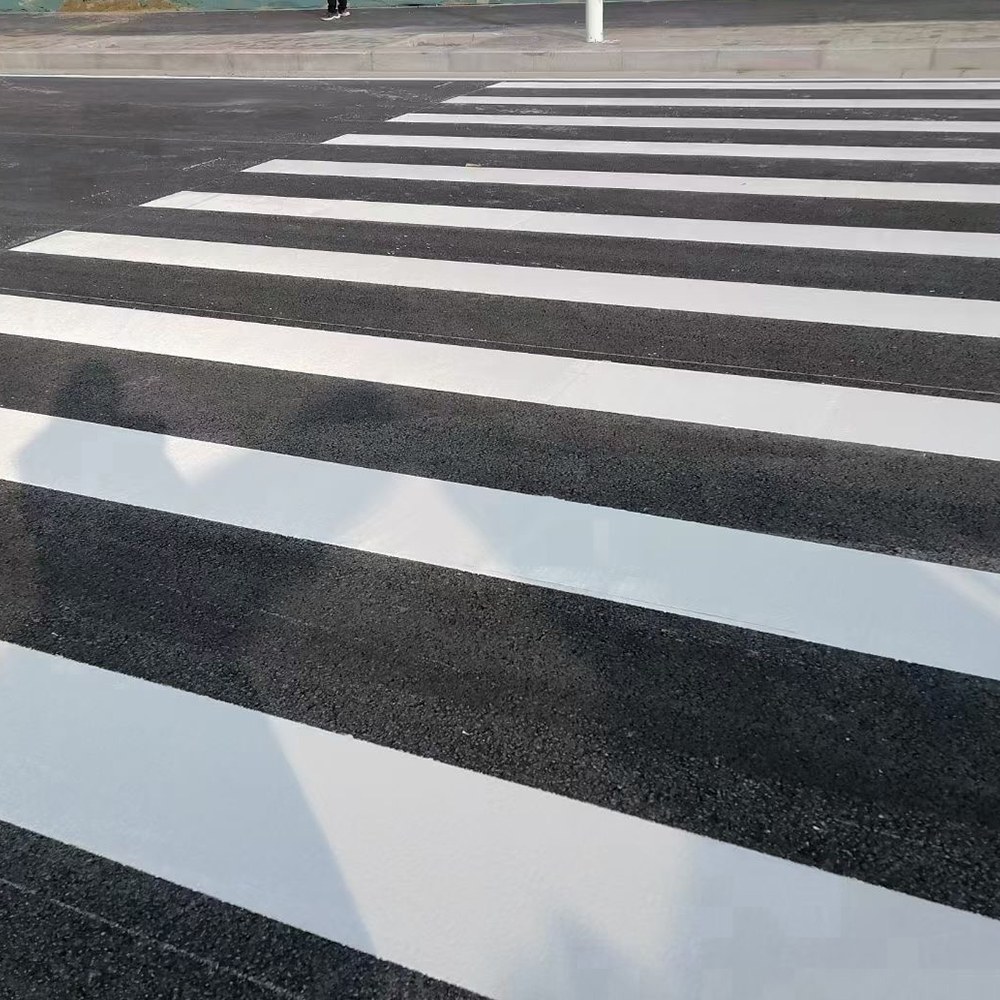
Zebra crossings
Urban road lane lines
Highway lane markings
Direction arrows
Stop lines
Yellow box junctions
Channelization areas
Parking guidance lines
School and community roads
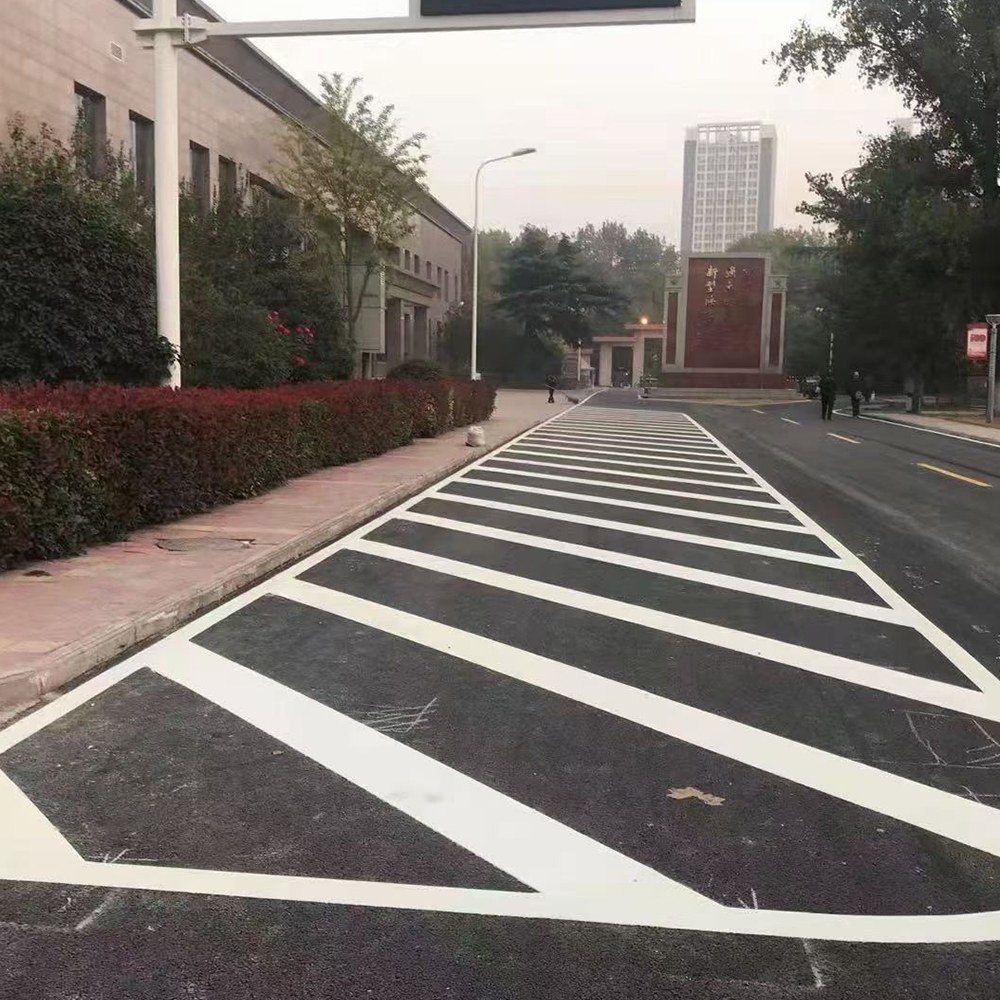
Clean the marking area and remove dust, loose particles, oil and moisture before construction.
Heat the thermoplastic powder until it reaches a workable molten condition. The listed heating range is 180–220°C.
Feed the molten material into compatible thermoplastic road marking equipment and apply it to the designed line position.
When nighttime reflection is required, distribute reflective micro glass beads over the fresh marking surface before hardening.
Allow the marking layer to cool until it becomes firm enough for traffic reopening.
| Comparison | Normal Thermoplastic Paint | Reflective Thermoplastic Paint |
| Pre-Mixed Glass Beads | No | Yes |
| Surface Glass Beads | Optional | Recommended |
| Bead Configuration | Controlled During Construction | Inside Paint + Surface Application |
| Main Procurement Focus | Standard Road Markings | Night-Reflective Traffic Markings |
| Colors | White / Yellow | White / Yellow |
| Heating Temperature | 180–220°C | 180–220°C |
| Package | 25 Kg/bag | 25 Kg/bag |
No. This grade is listed as Thermoplastic Road Marking Paint with no pre-mixed glass beads.
Yes. Reflective micro glass beads can be applied to the freshly marked surface when nighttime reflection is required.
Standard colors are white and yellow.
The recommended heating range is 180–220°C.
The listed softening point is 104°C.
Reference touch and full drying times are approximately 3 and 15 minutes.
The standard package is 25 kg per bag.