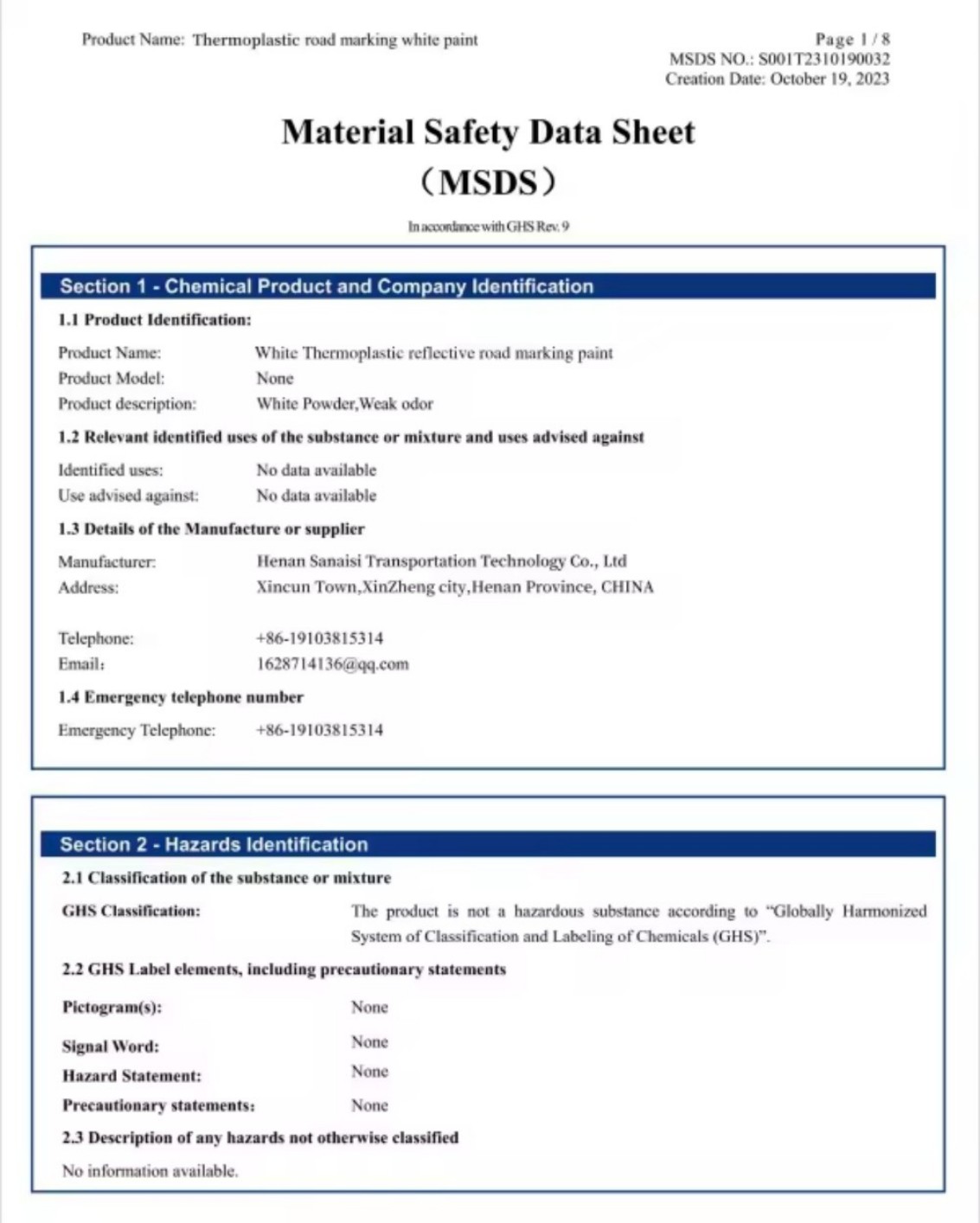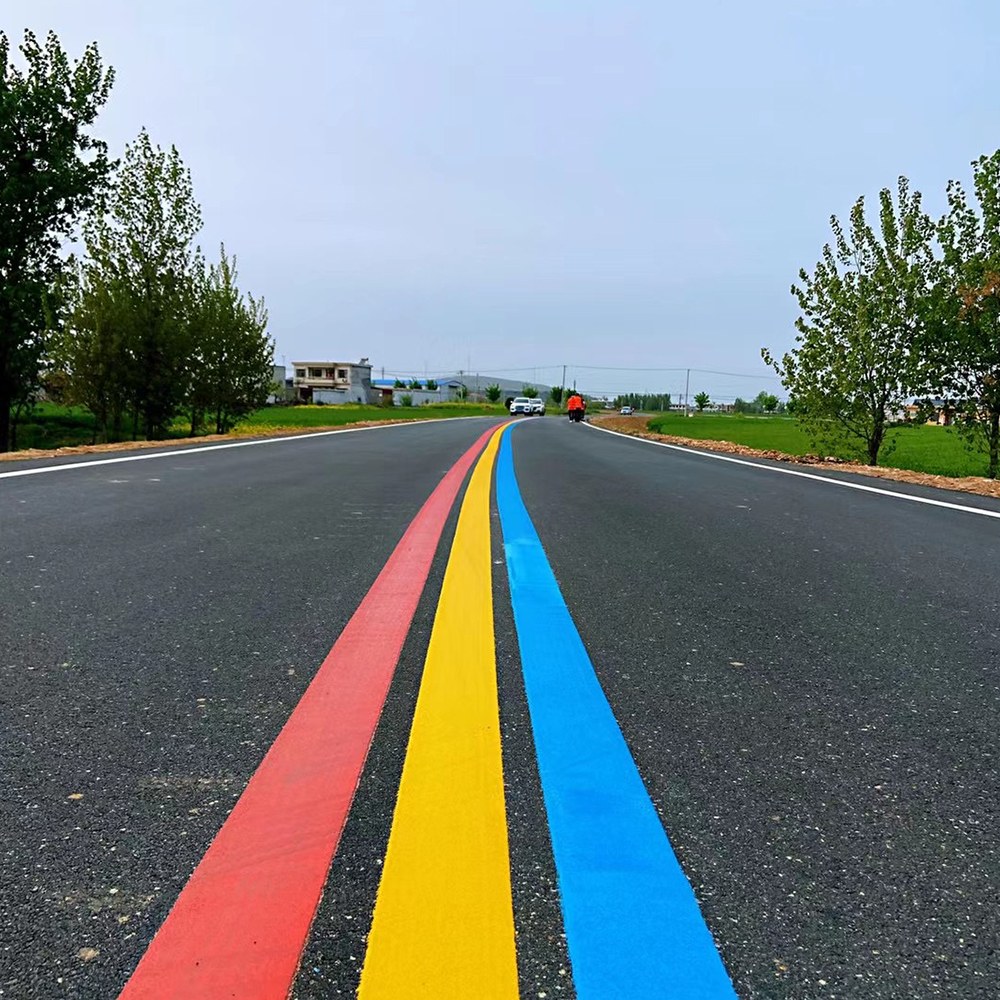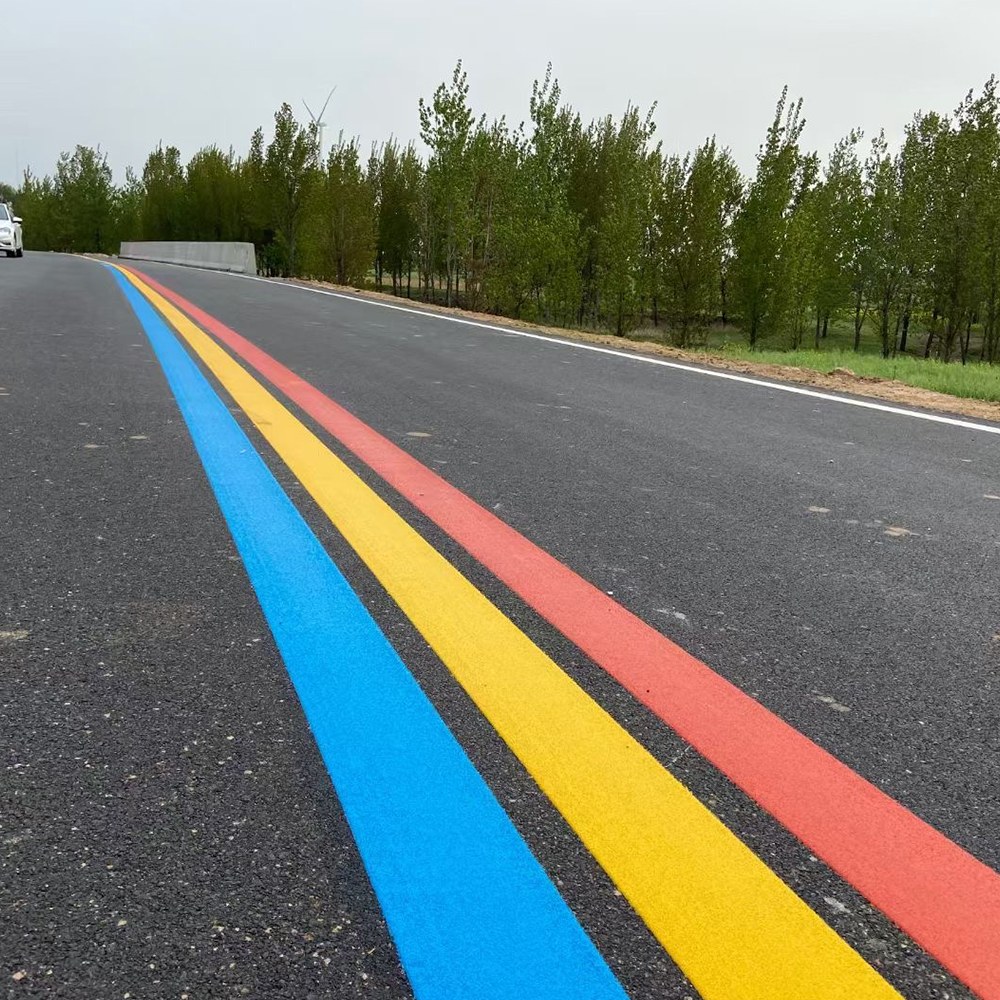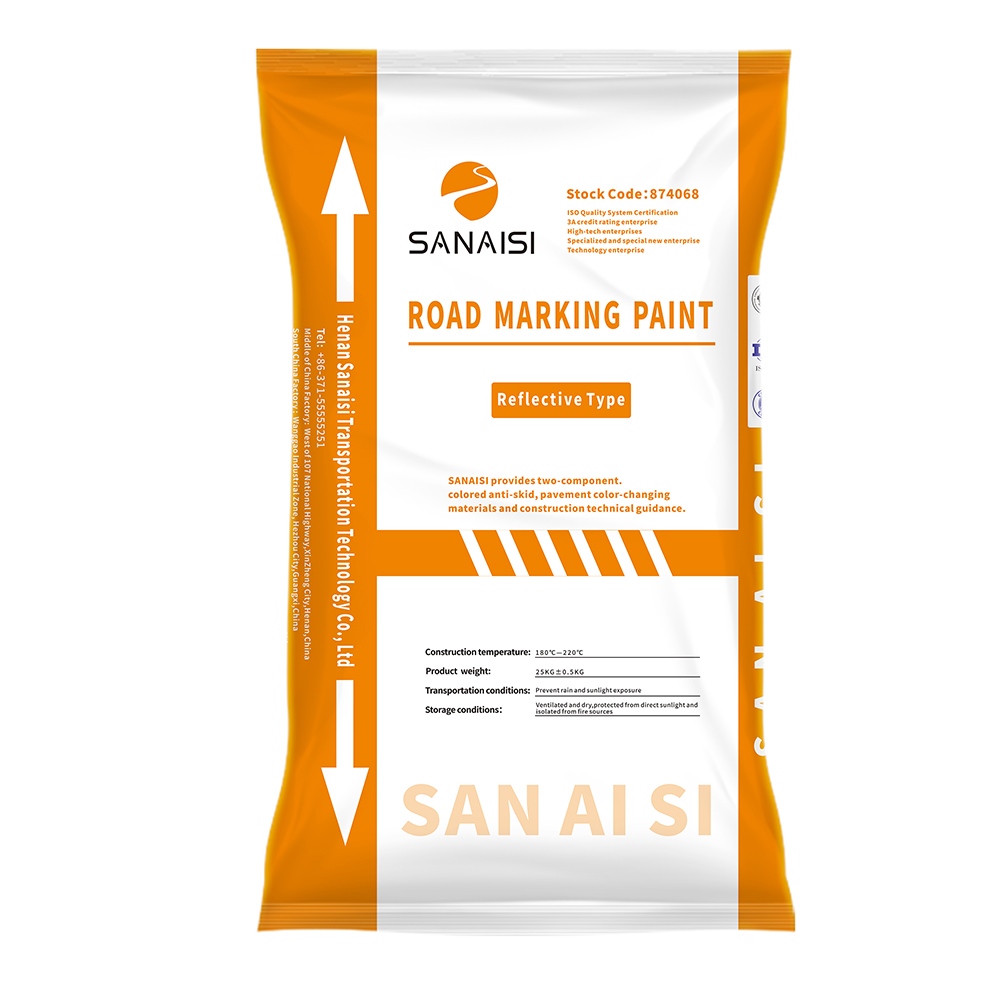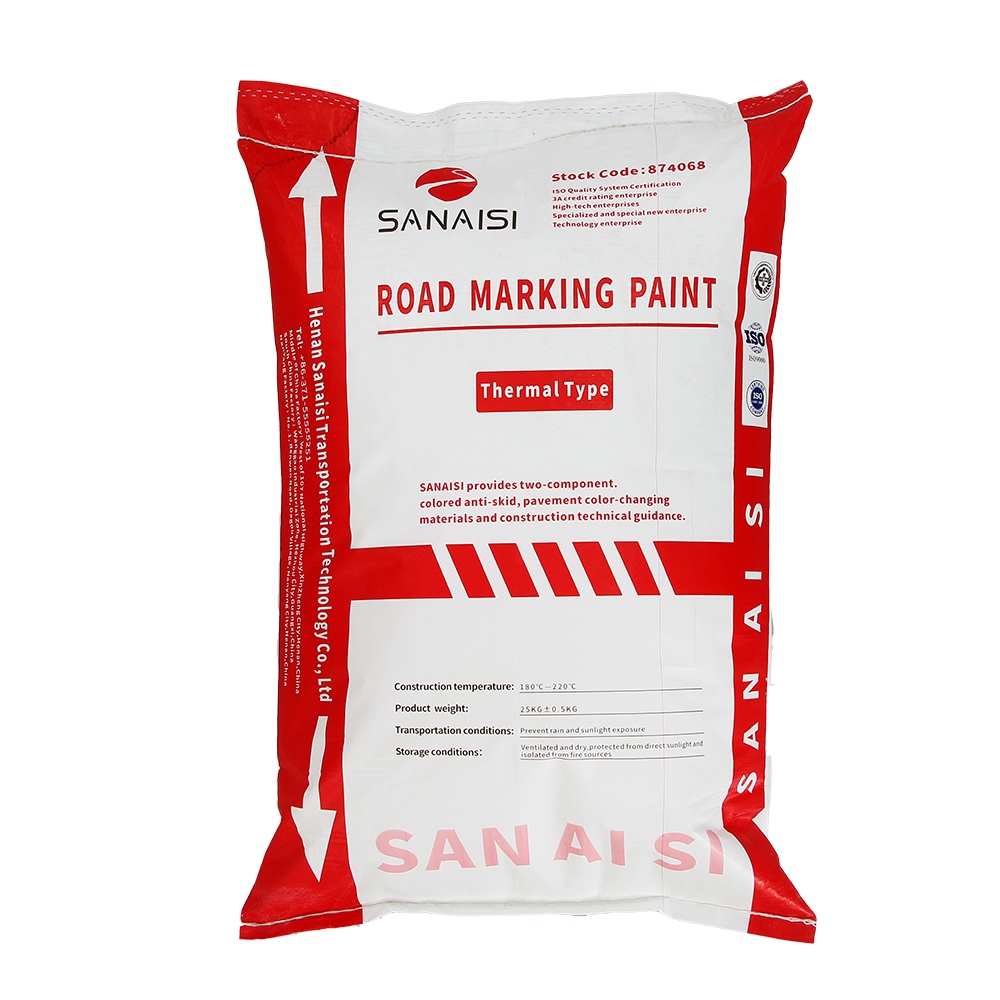
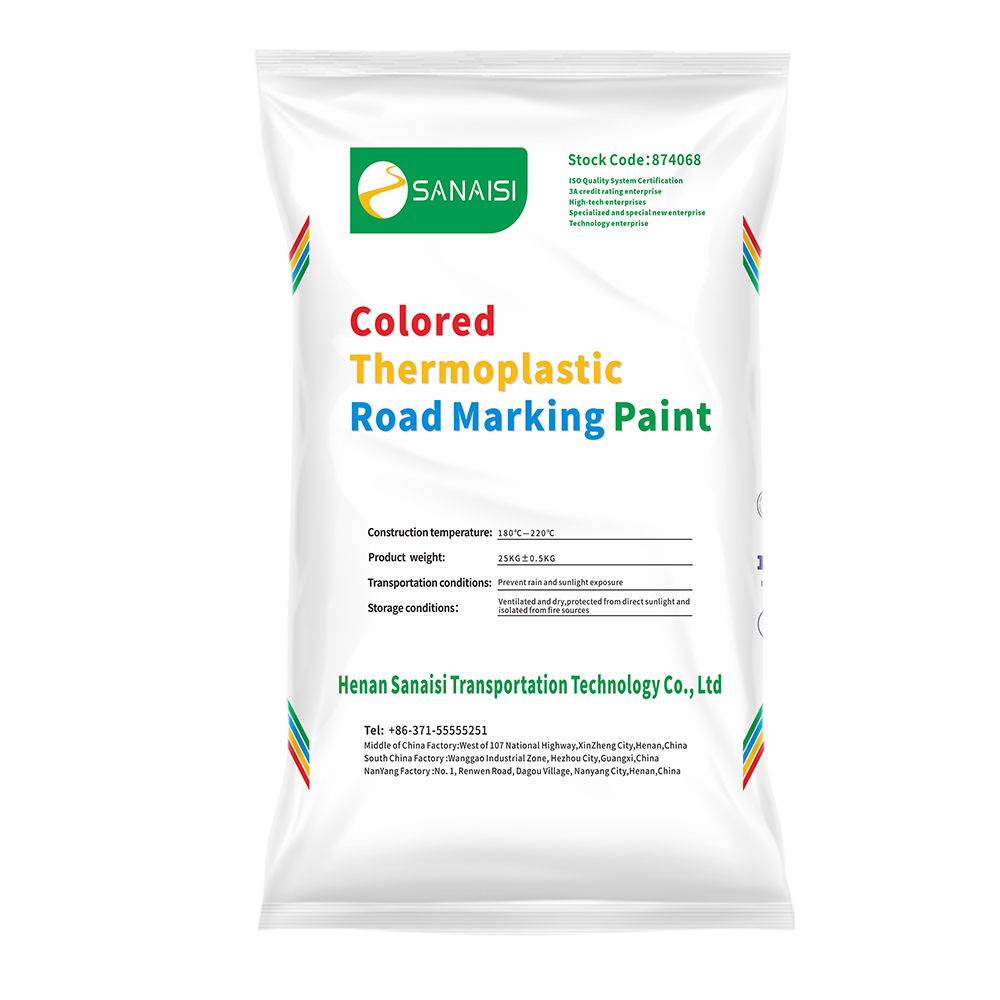
Thermoplastic road marking paint consists of resin, EVA, PE wax, fillers materials, glass beads and so on. It is powder condition at normal temperature. When heated to 180-200 degrees by hydraulic cylinder pre-heater, it will appears flow condition. Use the road marking machine to scrape the paint to the road surface will form hard film. It has full line type, strong wearing resistance. Spray reflective micro glass beads on the surface, it can have good reflectve effect at night. It is widely applied in highway and city road. According to the environment used and the different construction requirements, we can supply different types of paint for our customer demands.
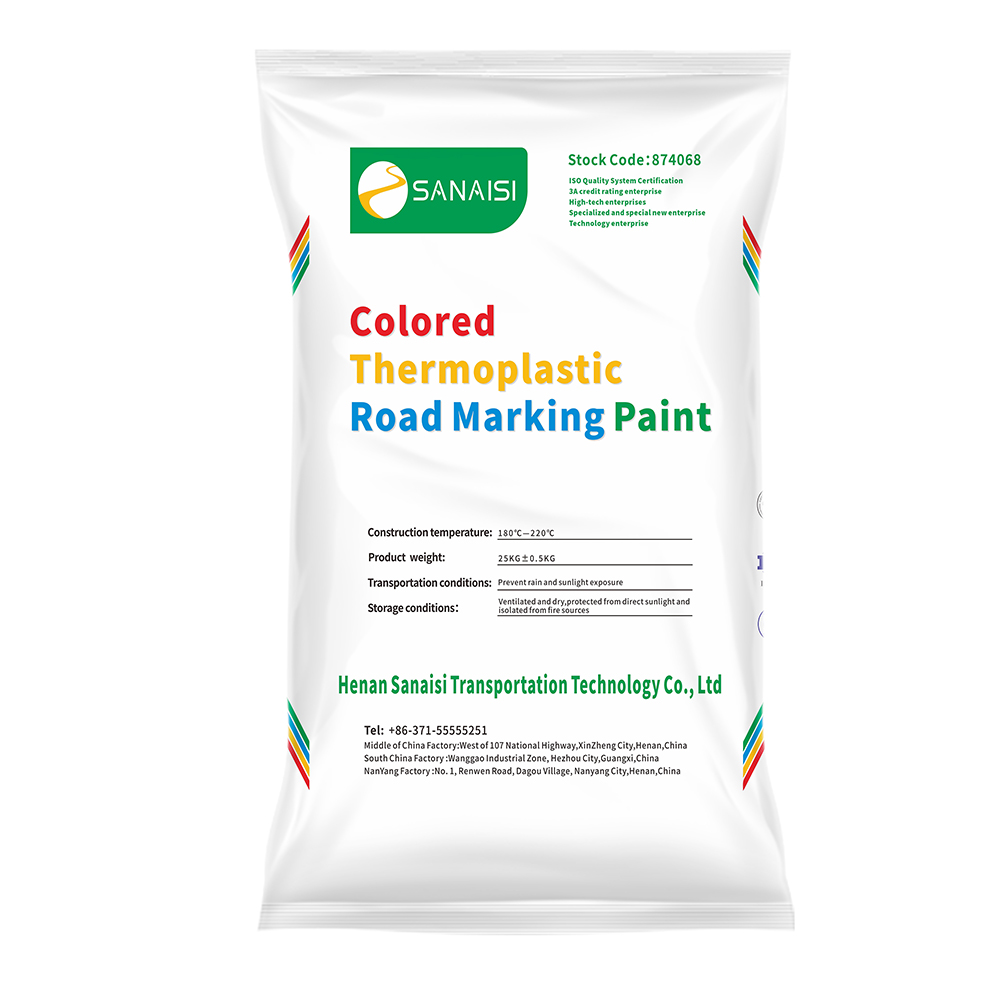
| Item | Specification |
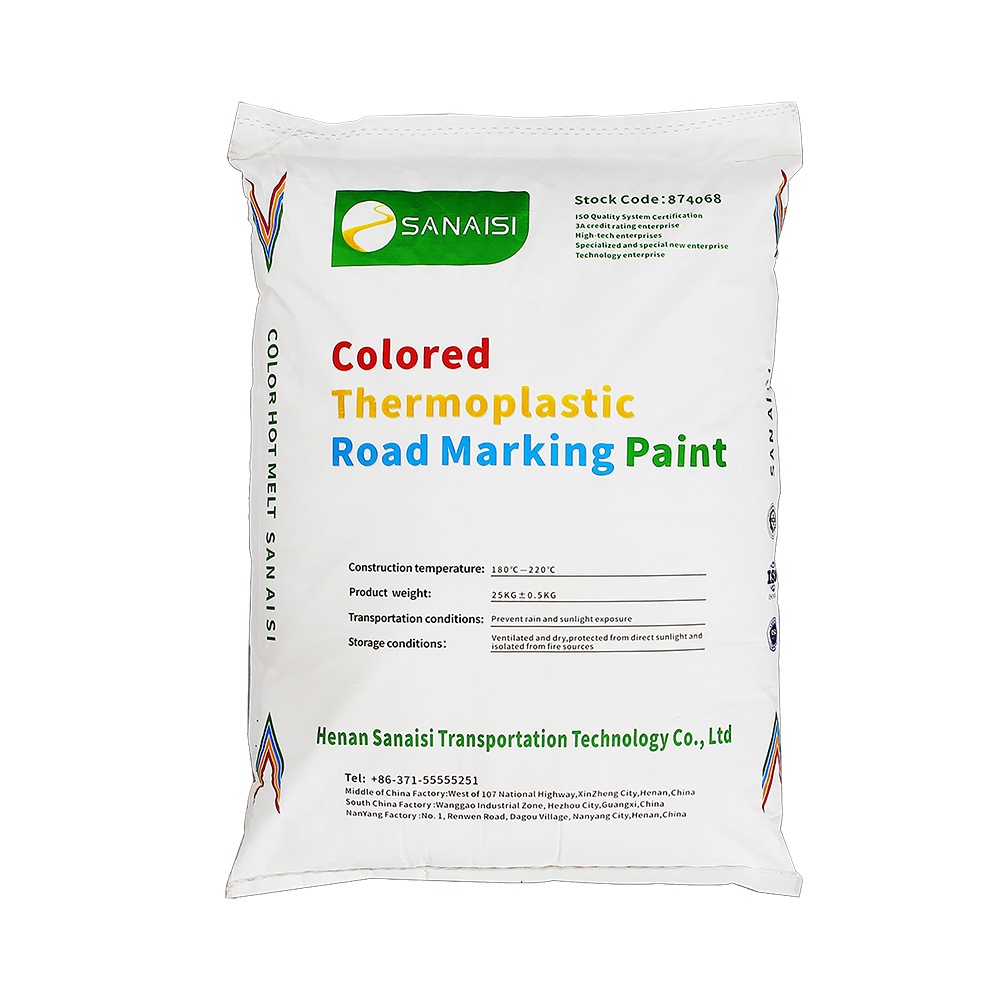
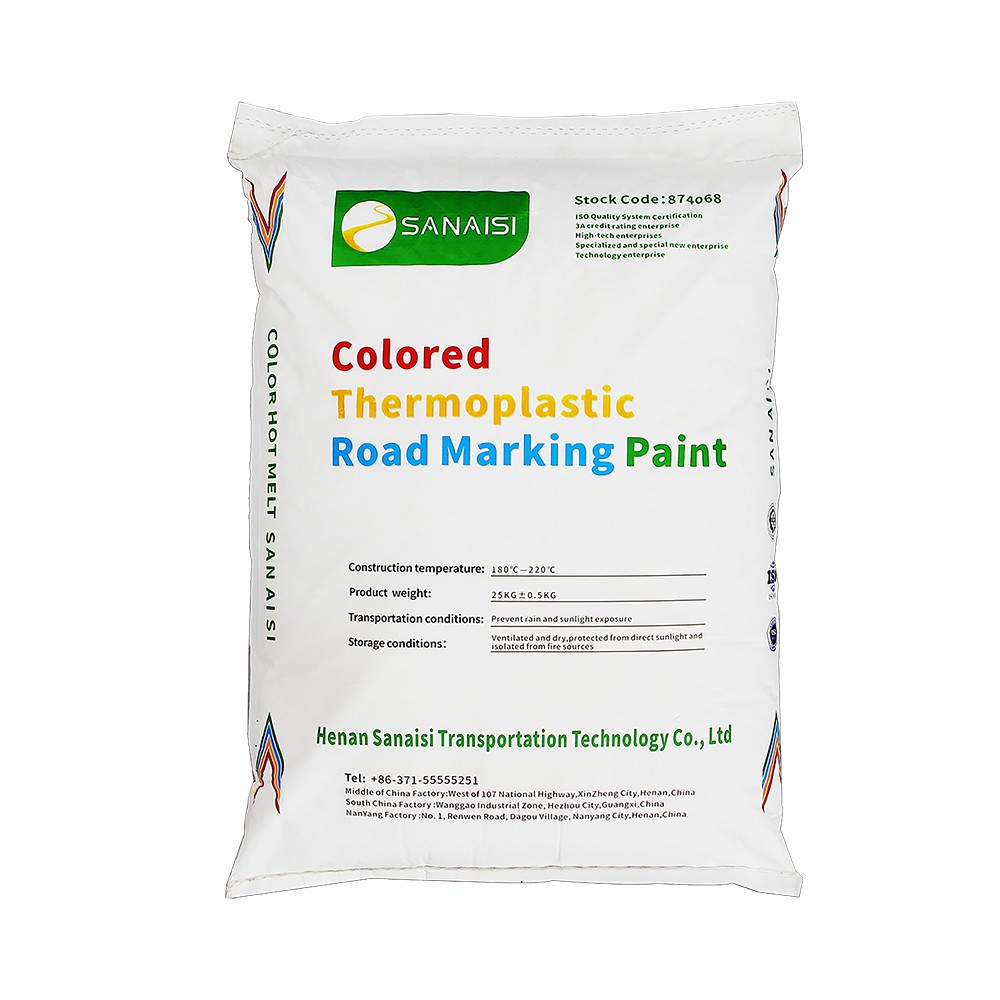
| Product Name | Colored Thermoplastic Road Marking Paint |
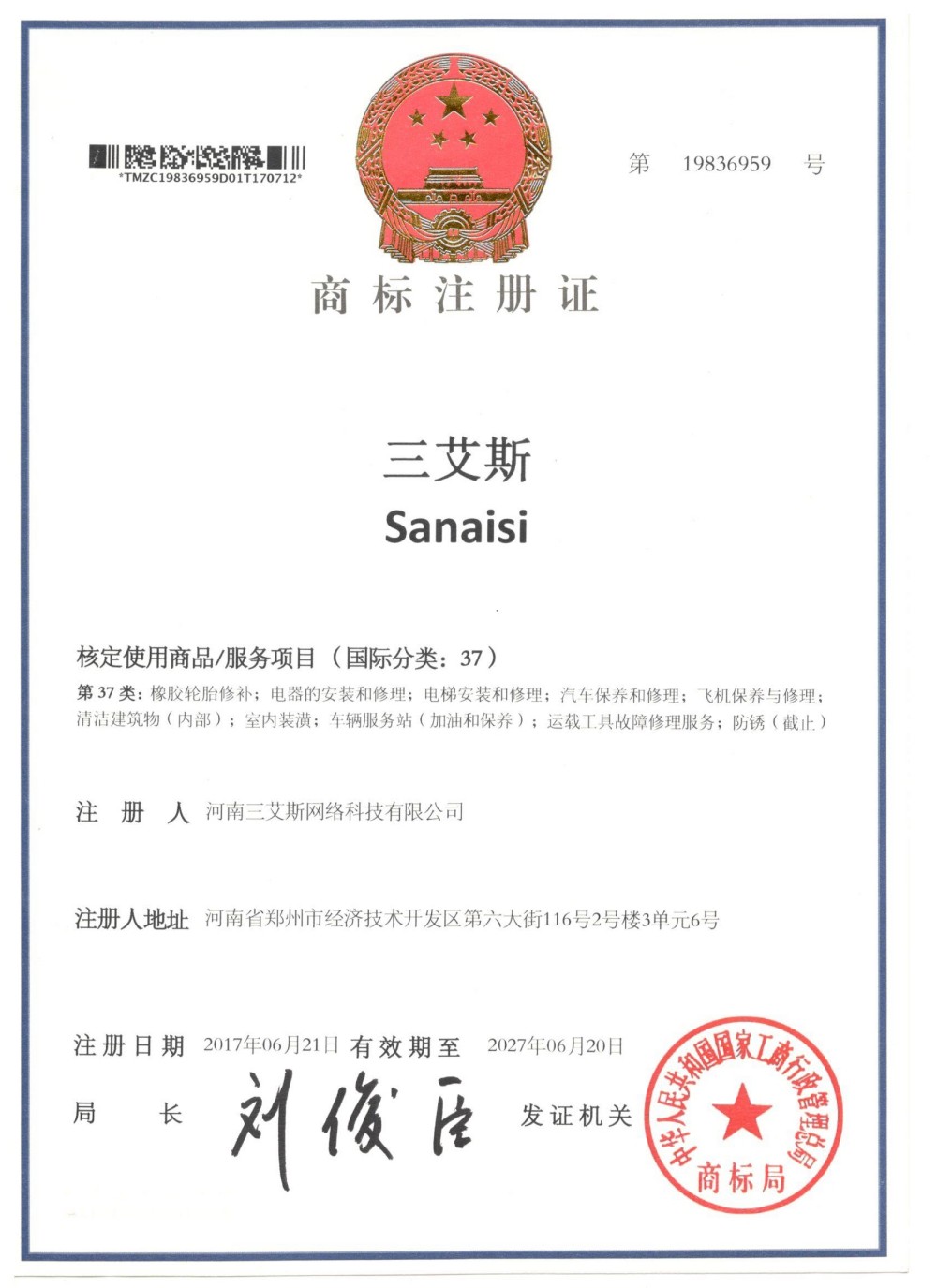
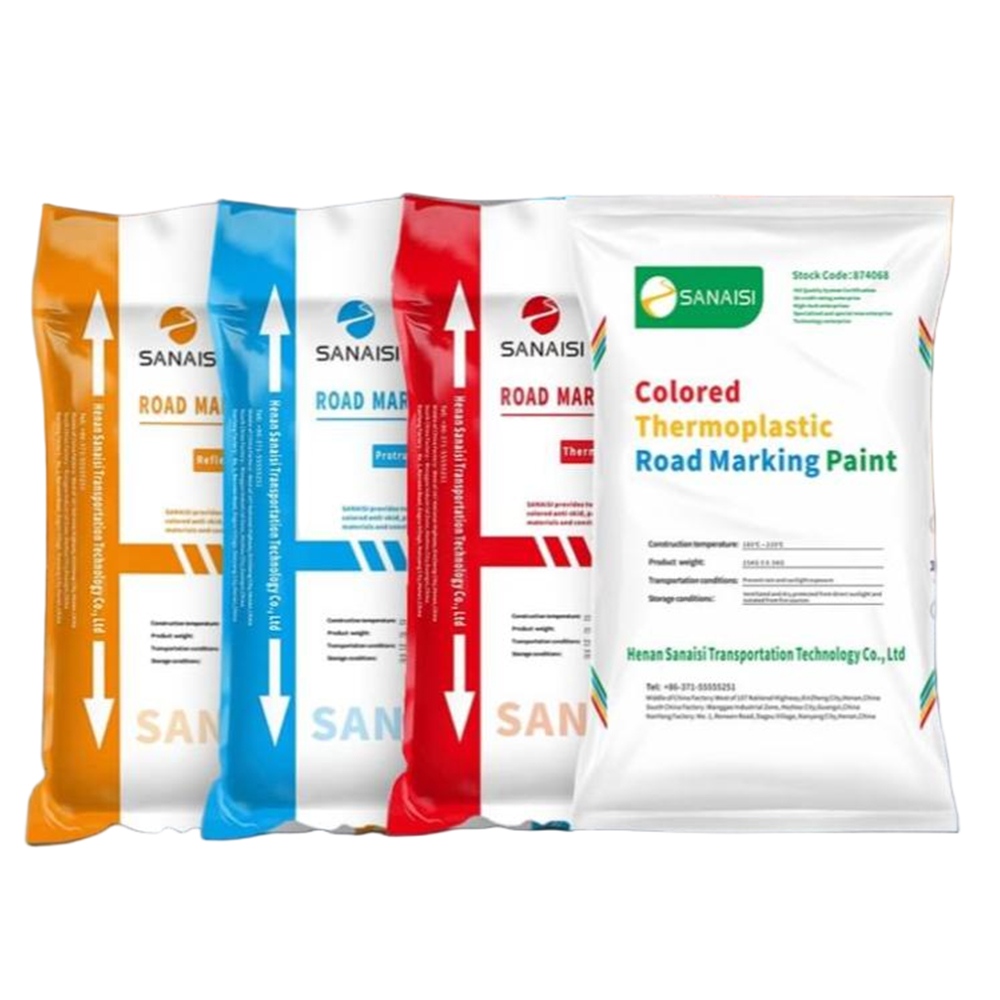
| Brand | SANAISI |
| Product Type | Hot-Melt Marking Paint |
| State | Powder |
| Main Raw Materials | Resin, CaCO3, SiO2, TiO2, Plasticizer |
| Main Formula Components | C5 Resin, EVA, PE Wax, Titanium Dioxide, Glass Beads, Fillers |
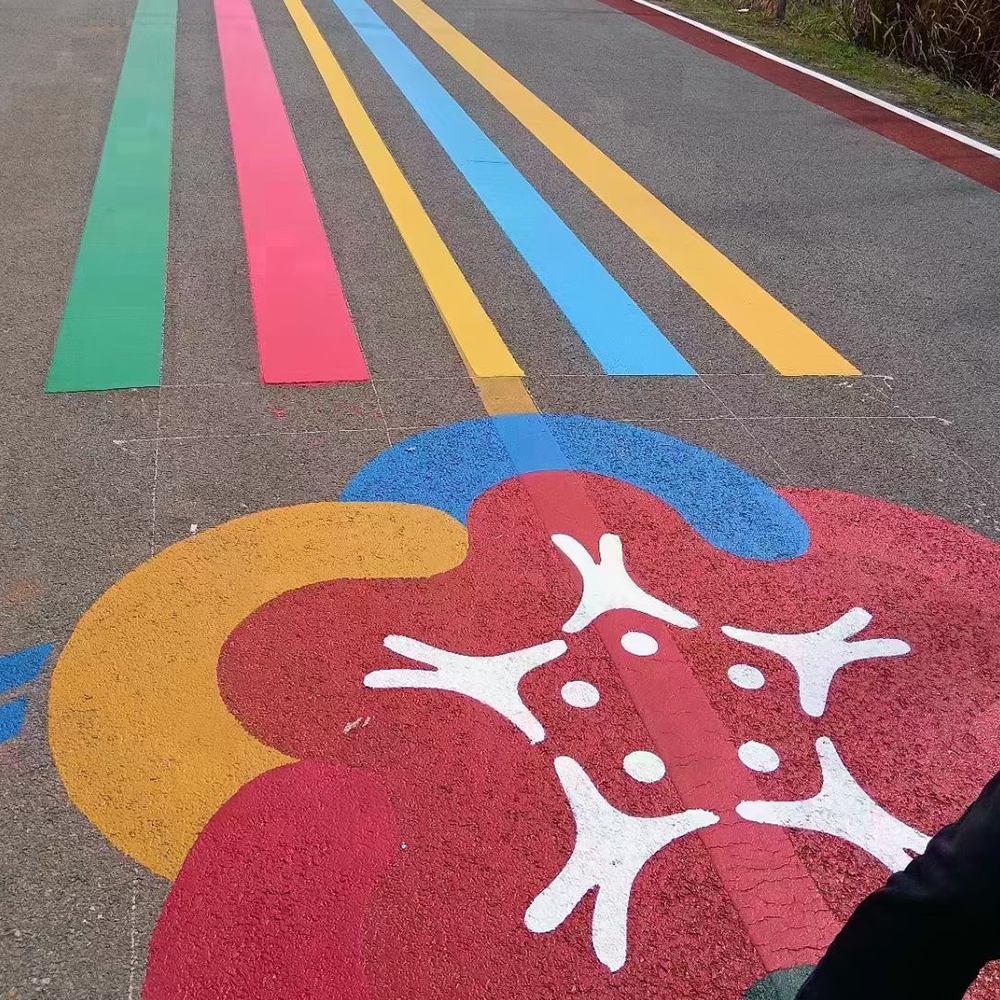
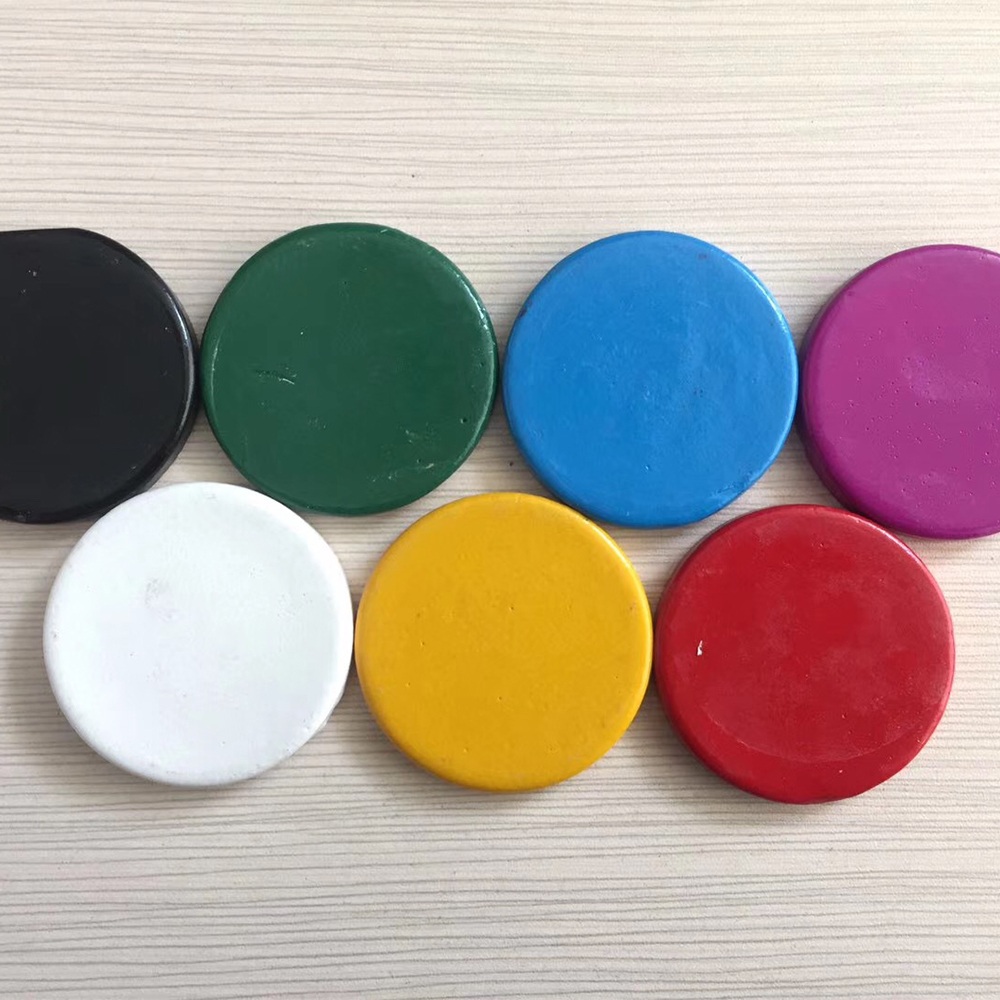
| Available Colors | White / Yellow / Green / Red / Blue / Others |
| Softening Point | 104°C |
| Heating Temperature | 180–220°C |
| Drying Time | 3–15 Min |
| Package | 25 Kg/bag |
| Shelf Life | 12 Months |
| Main Performance | Strong Adhesion |
| Application | Road Marking |
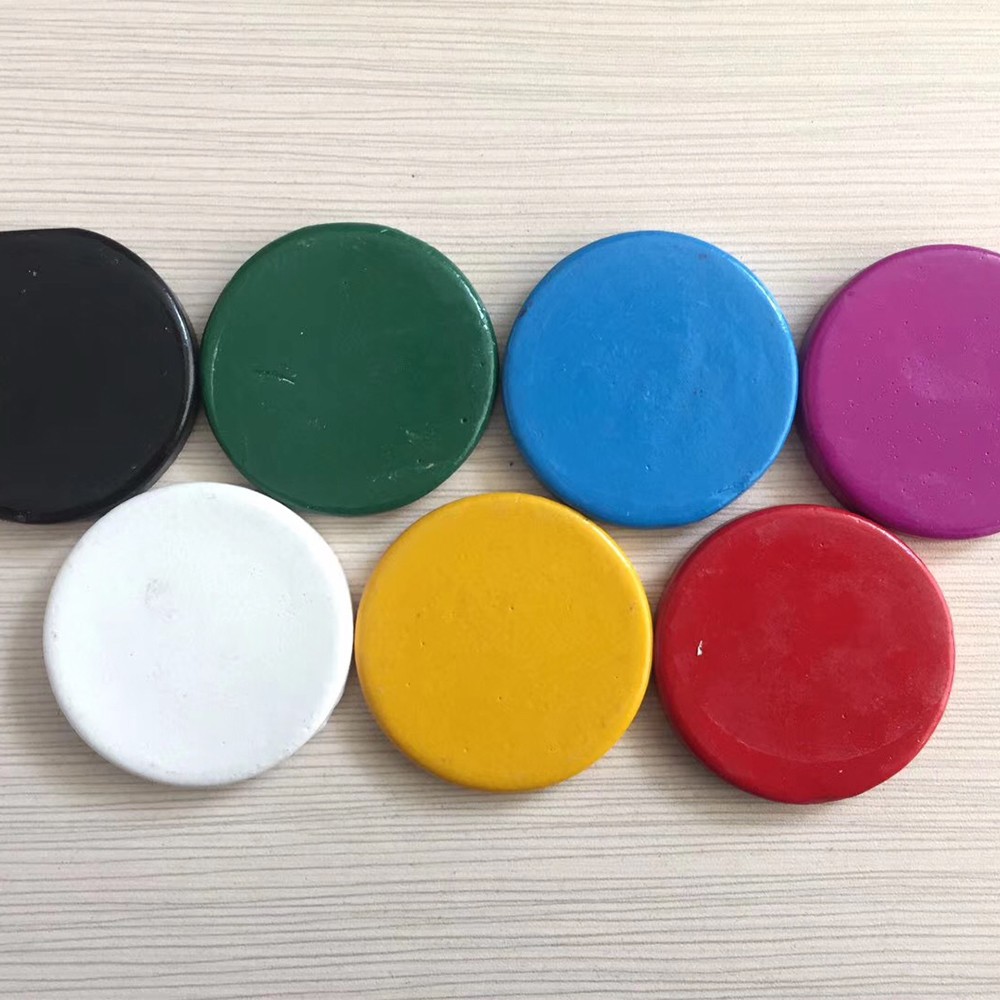
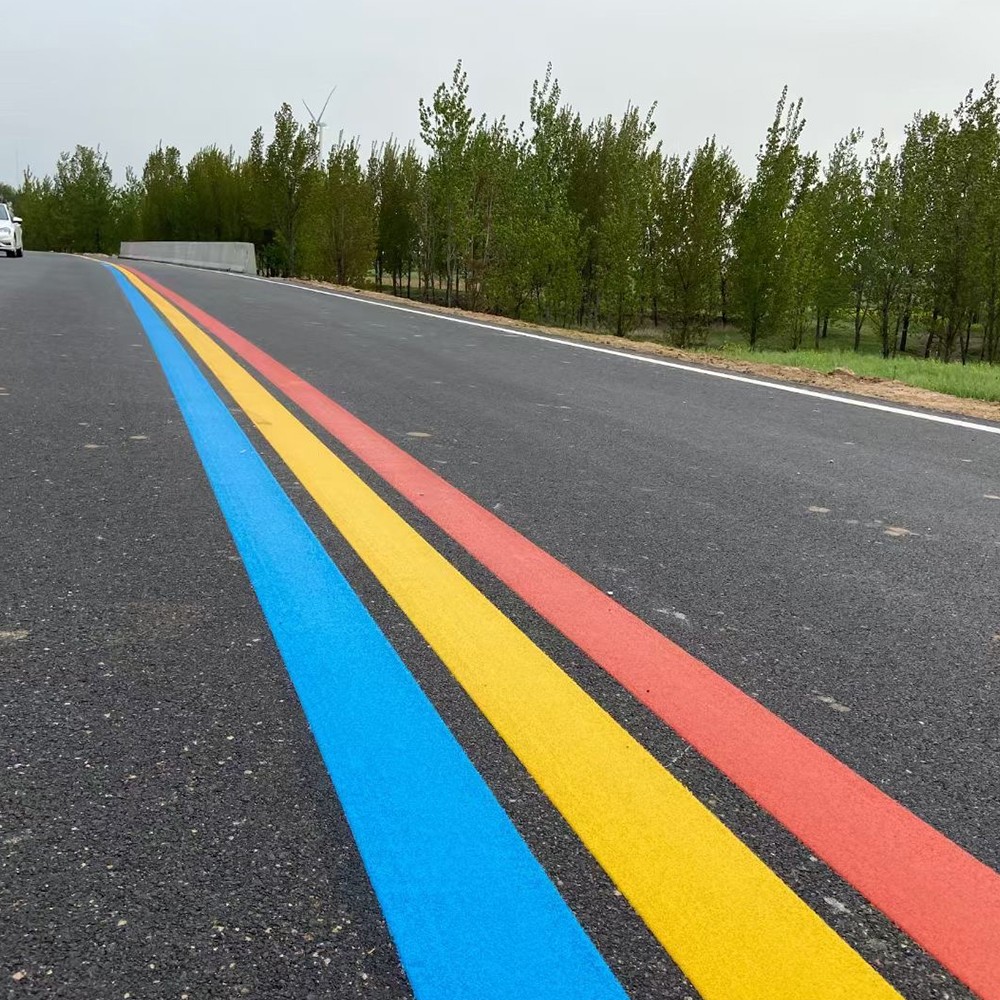
Multi-color thermoplastic formulation for blue, red, yellow, green, white and other pavement marking projects.
Strong adhesion helps the marking layer remain bonded to properly prepared pavement.
Hot-melt application forms a full, substantial line after the molten material cools and hardens.
Wear-resistant marking surface suits road sections where a thicker thermoplastic layer is preferred.
Reflective glass bead compatibility allows additional beads to be applied to the surface for improved nighttime visibility.
25 kg bag packaging supports project ordering, transport and on-site material handling.
12-month shelf life under dry, ventilated storage away from sunlight and fire sources.
Colored highway and urban road lines
Municipal traffic guidance markings
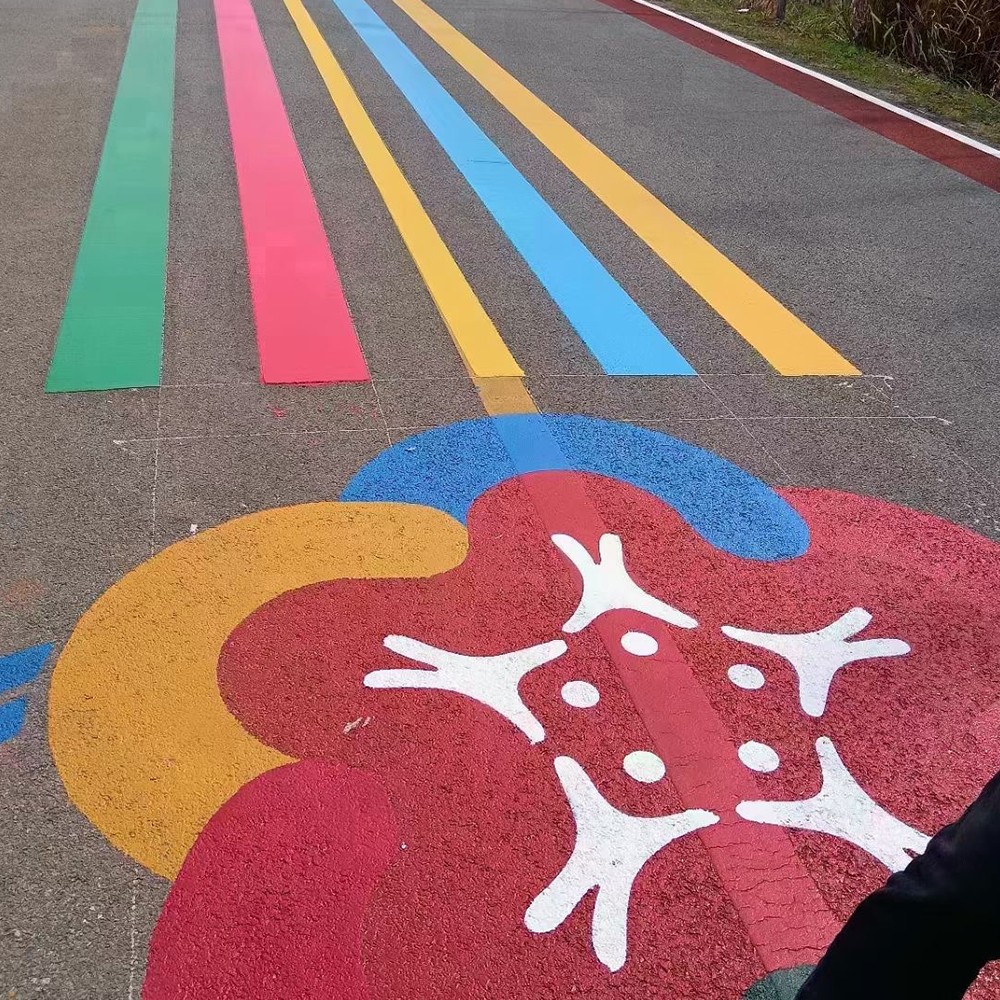
Scenic and landscaped road markings
Functional traffic zones
Colored lane separation
Road direction and warning areas
Pedestrian and slow-traffic routes
Community and park road markings
Special pavement graphics and colored symbols
The application area should be clean, dry and free from loose aggregate, dust, oil and surface contamination.
Load the powder into suitable thermoplastic heating equipment and raise the material to the confirmed working temperature.
Keep the molten material evenly mixed so pigments, fillers and resin remain distributed throughout the batch.
Transfer the molten paint through compatible thermoplastic road marking equipment according to the specified width and layer thickness.
For reflective markings, micro glass beads can be distributed onto the fresh surface before the layer has fully hardened. Reflective beads improve nighttime visibility under vehicle headlights.
Allow the thermoplastic layer to cool and harden before reopening the marked area.
Large colored road projects need better color control than standard white thermoplastic lines.
For quotation and production matching, buyers should provide:
Required color
Physical sample or color reference
Total project quantity
Number of planned batches
Line width
Required layer thickness
Reflective requirement
Pavement type
Destination market
For repeat orders, keeping the approved reference sample helps reduce visible shade differences between separate construction stages.
It is supplied as a powder thermoplastic road marking material.
White, yellow, green, red and blue are available, with other colors subject to project confirmation.
Yes. The listed application range is 180–220°C, subject to final confirmation of the factory operating specification.
The reference drying time is 3–15 minutes, depending on temperature and humidity.
12 months under suitable storage conditions.
Yes. Reflective micro glass beads can be applied to the marking surface to improve nighttime reflection.
The listed softening point is 104°C.
25 kg per bag.