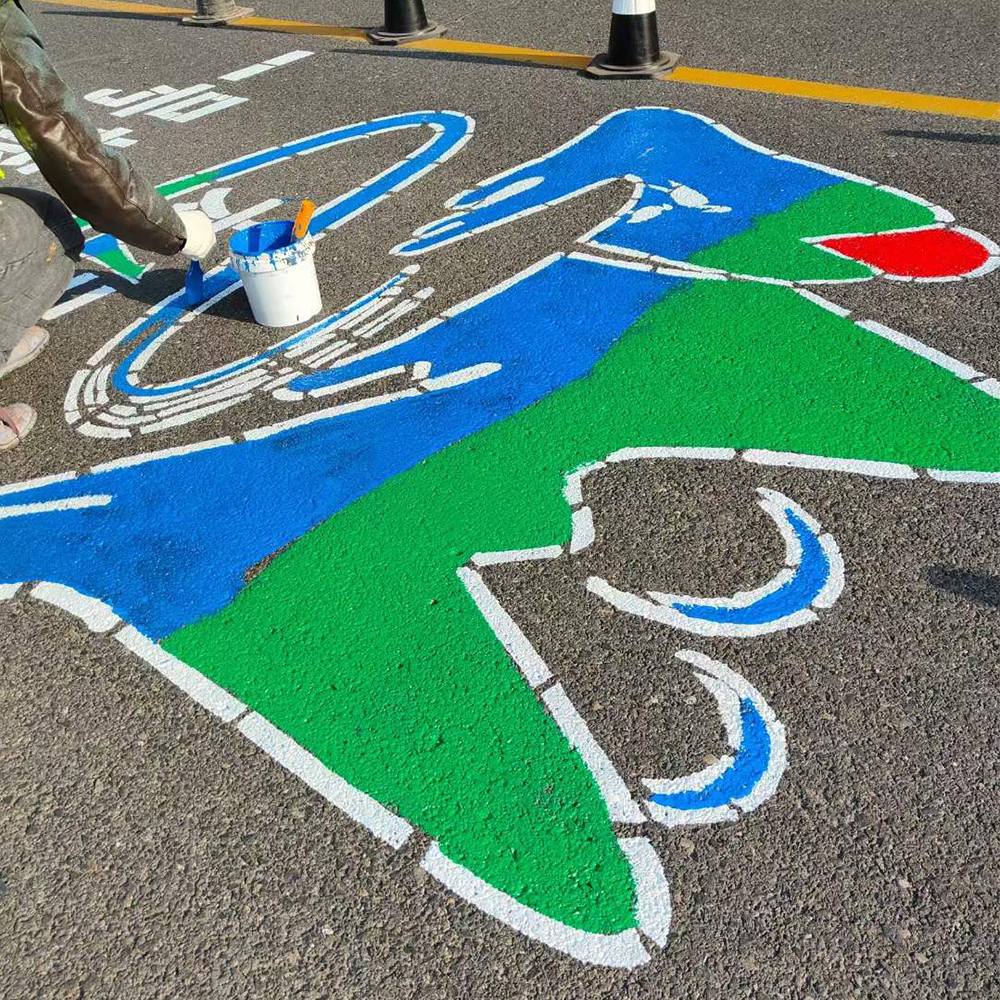
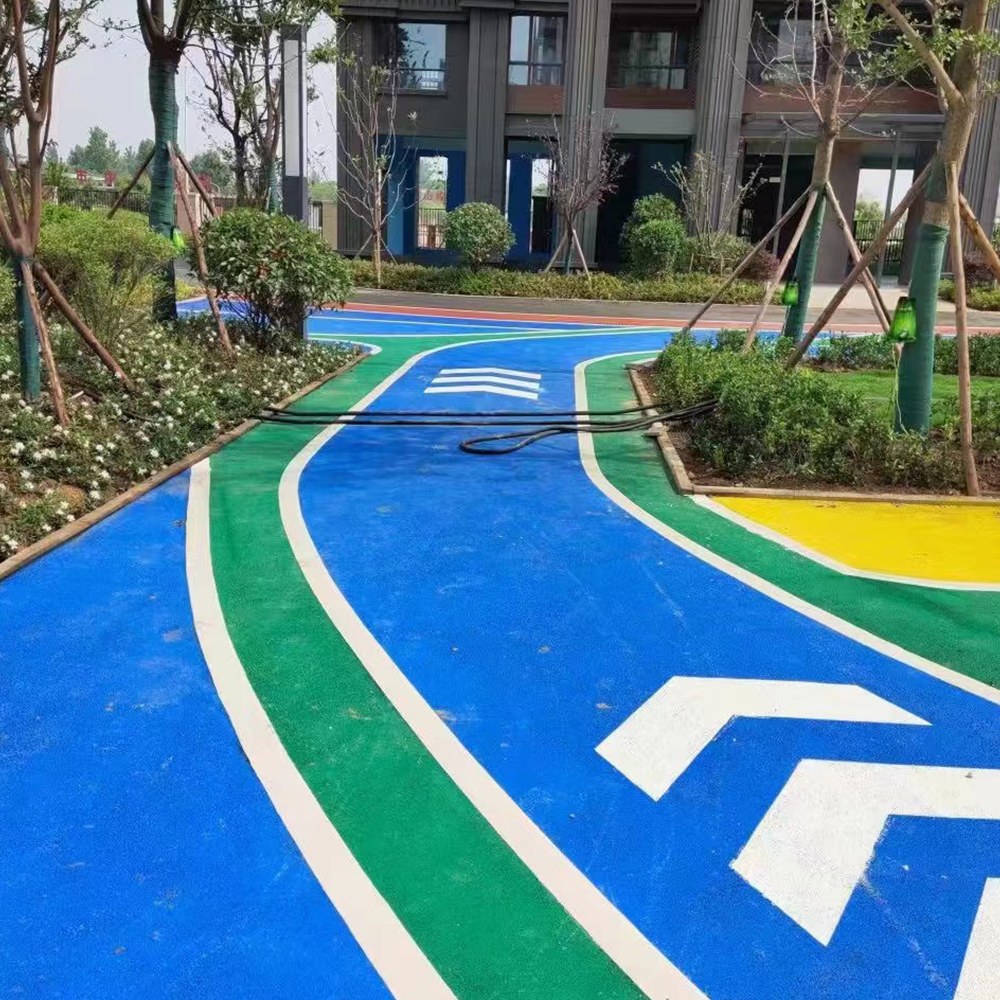
SANAISI Room-Temperature Solvent-Based Road Marking Paint is a liquid acrylic coating for traffic lines, pavement symbols, colored lanes and functional road areas. It is applied without thermoplastic melting equipment, making it practical for repainting work, parking facilities, community roads and projects with varied marking patterns.For reflective traffic lines, suitable glass beads can be distributed onto the fresh coating before drying. This gives contractors flexibility to use the same paint for standard colored markings or reflective traffic applications.
| Item | Specification |
| Product Name | Room-Temperature Solvent-Based Road Marking Paint |
| Brand | SANAISI |
| Type | Room Temperature Solvent Marking Paint |
| Main Material | Acrylic Resin |
| Appearance | Liquid |
| Solid Content | 46% |
| Colors | White / Yellow / Green / Red / Blue / Others |
| Package | 25 Kg/barrel |
| Net Weight | 25 Kg |
| Main Performance | Good Adhesion / Fast Drying |
| Non-Stick Tire Time | 7–10 Min At 23°C |
| Complete Drying Time | 20–30 Min |
| Marking Line Warranty | 3–6 Months |
| Reflective Glass Beads | Can Be Applied To Fresh Coating |
| Thinner Adjustment | Available When Required By Application Conditions |
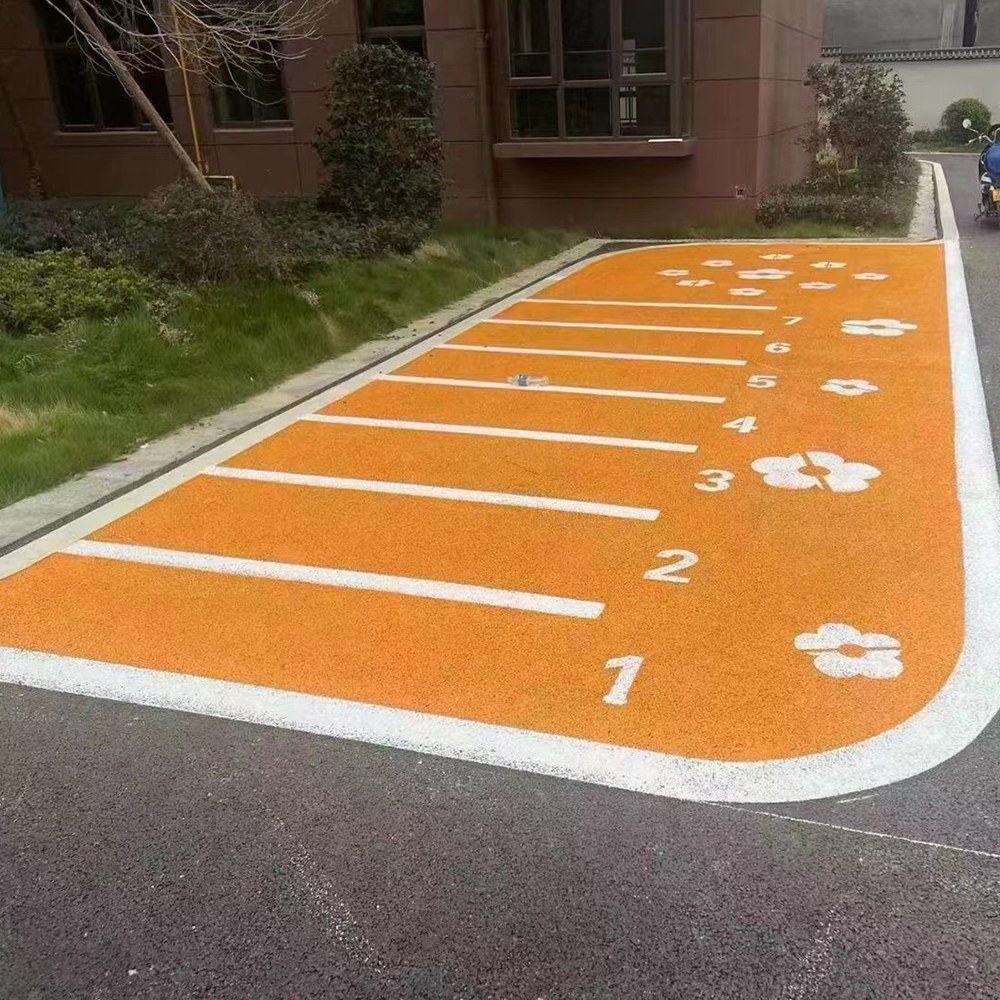
Fast room-temperature drying helps reduce waiting time after line painting and maintenance work.
Acrylic resin formulation provides good adhesion and weather resistance on prepared pavement surfaces.
46% solid content supports a visible coating layer for lines, symbols and colored traffic areas.
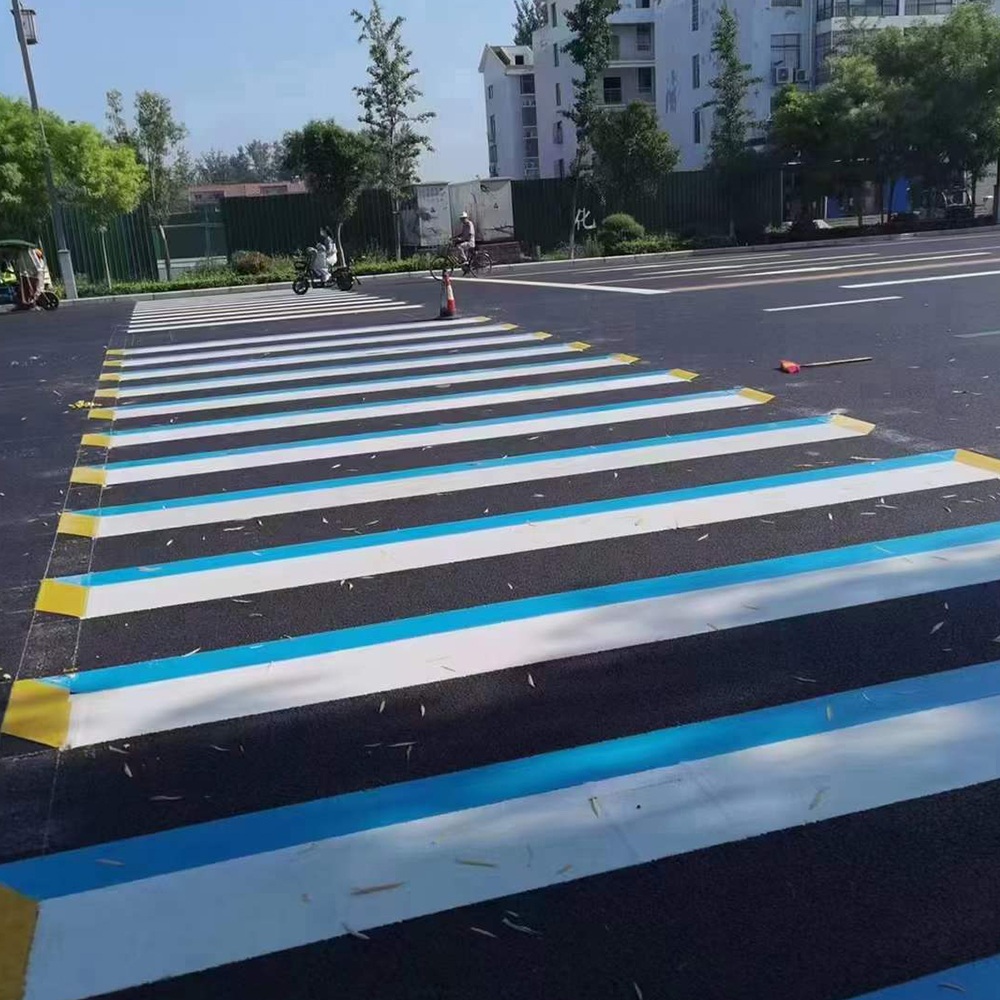
Multiple color choices make it suitable for conventional markings as well as blue, green, red and other functional pavement zones.
Compatible with drop-on glass beads when nighttime reflective performance is required.
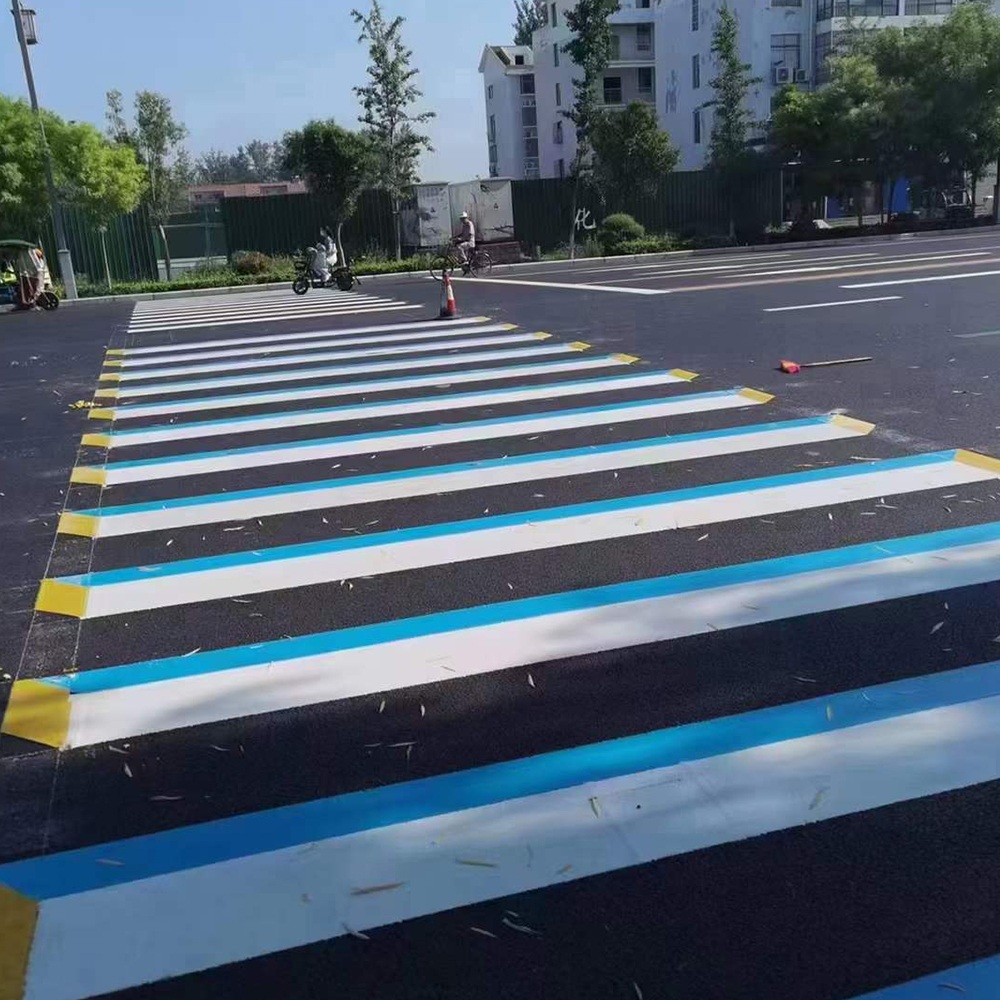
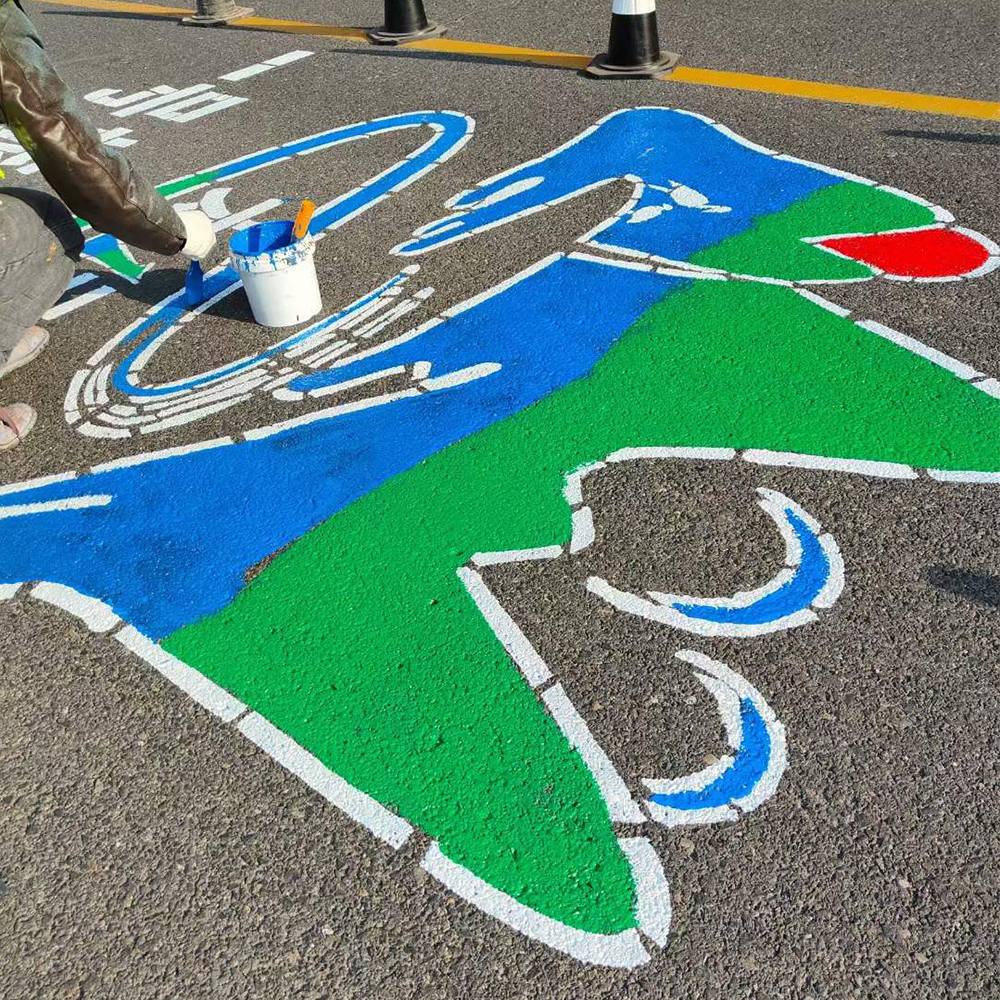
Liquid application is well suited to straight lines, arrows, pedestrian crossings, bicycle symbols and larger colored areas.
Viscosity can be adjusted with a suitable thinner when site conditions make the material too thick for proper application.
Urban road markings — lane lines, arrows, stop lines and traffic guidance
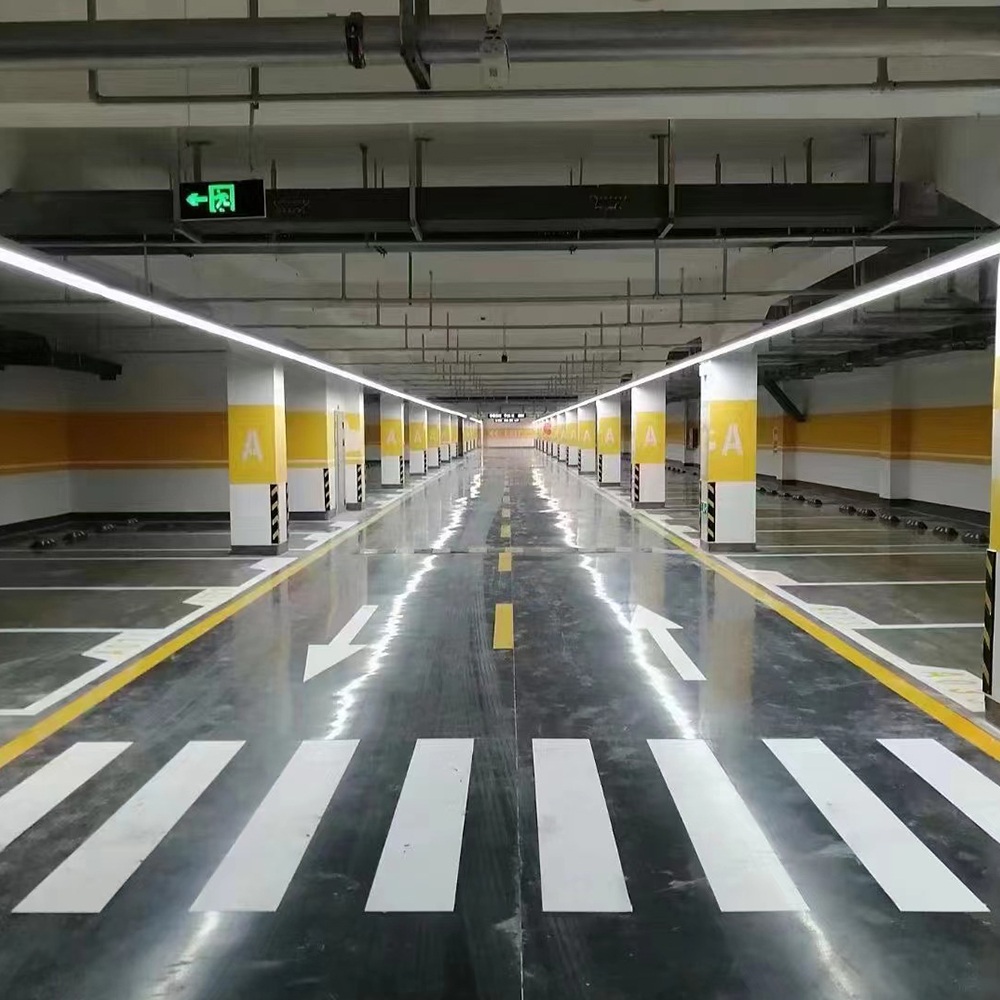
Parking garages — parking bays, directional arrows and pedestrian routes
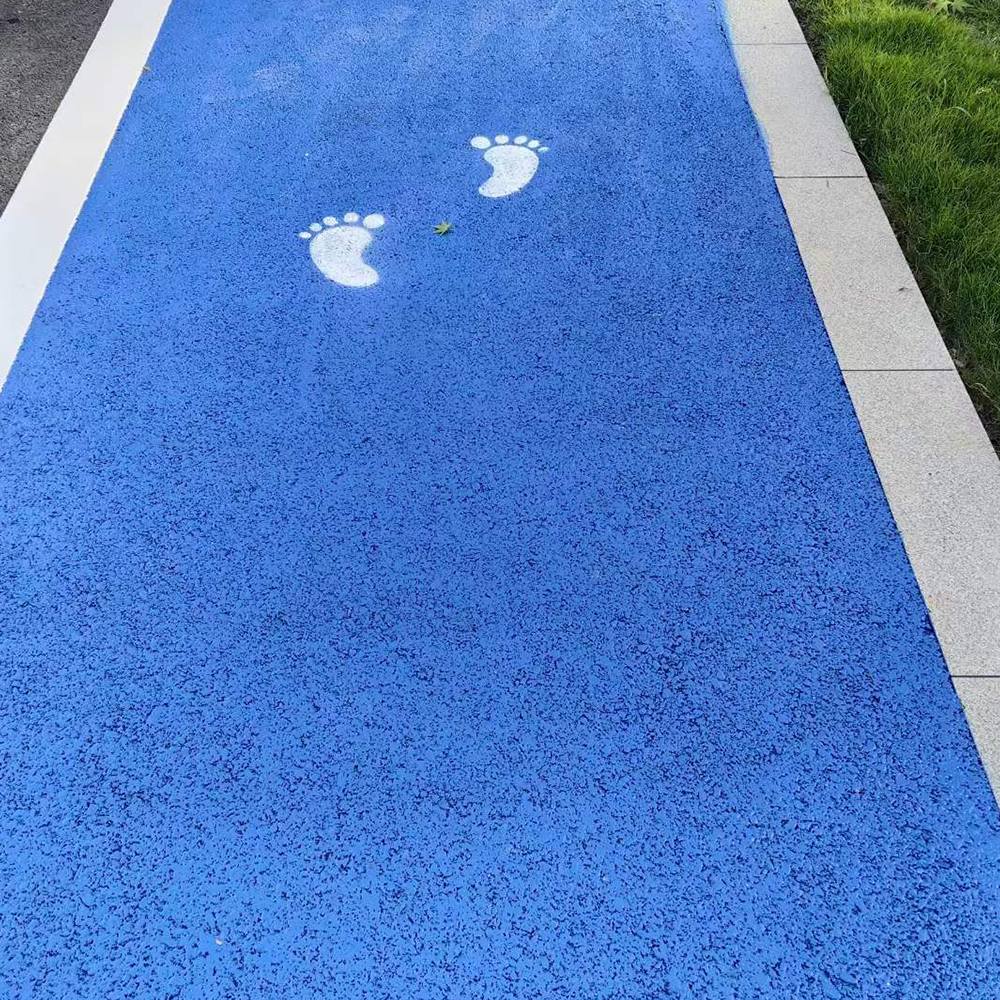
Bicycle lanes — colored lanes and bicycle pavement symbols
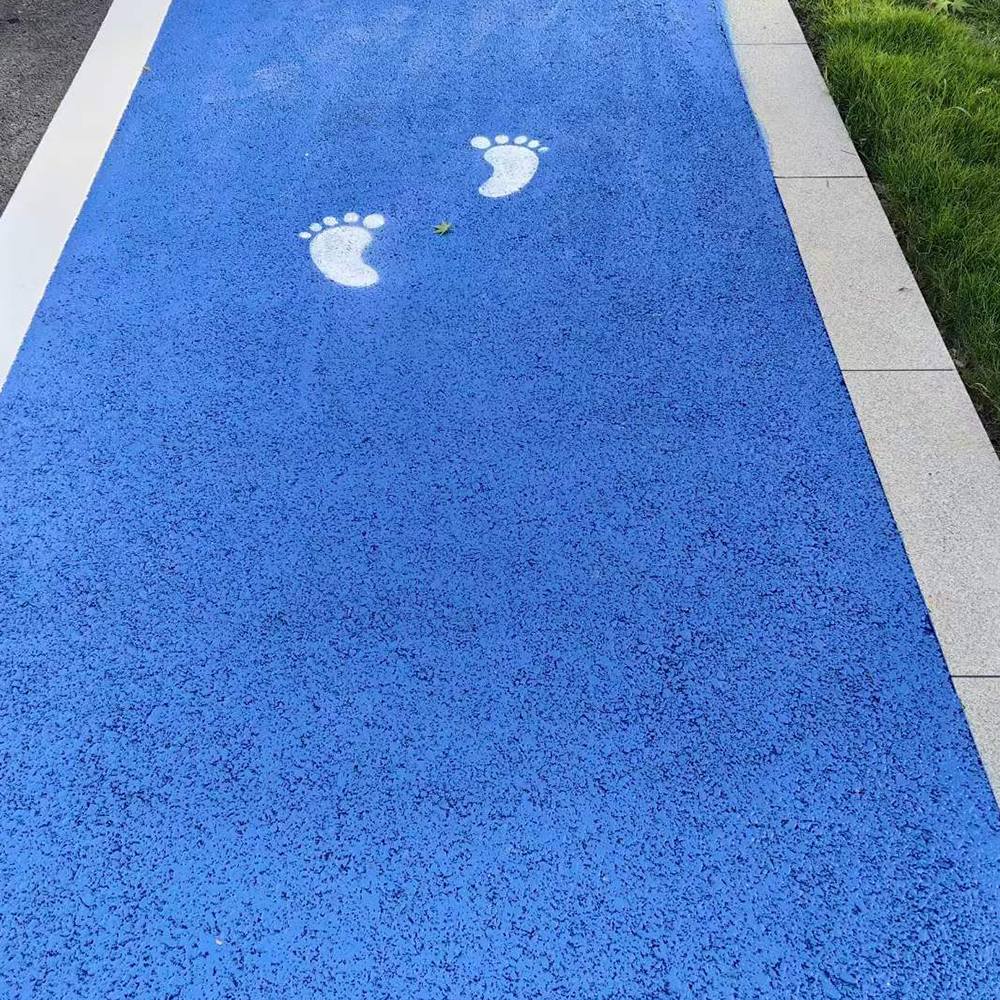
Pedestrian areas — walkways, crossings and colored guidance zones
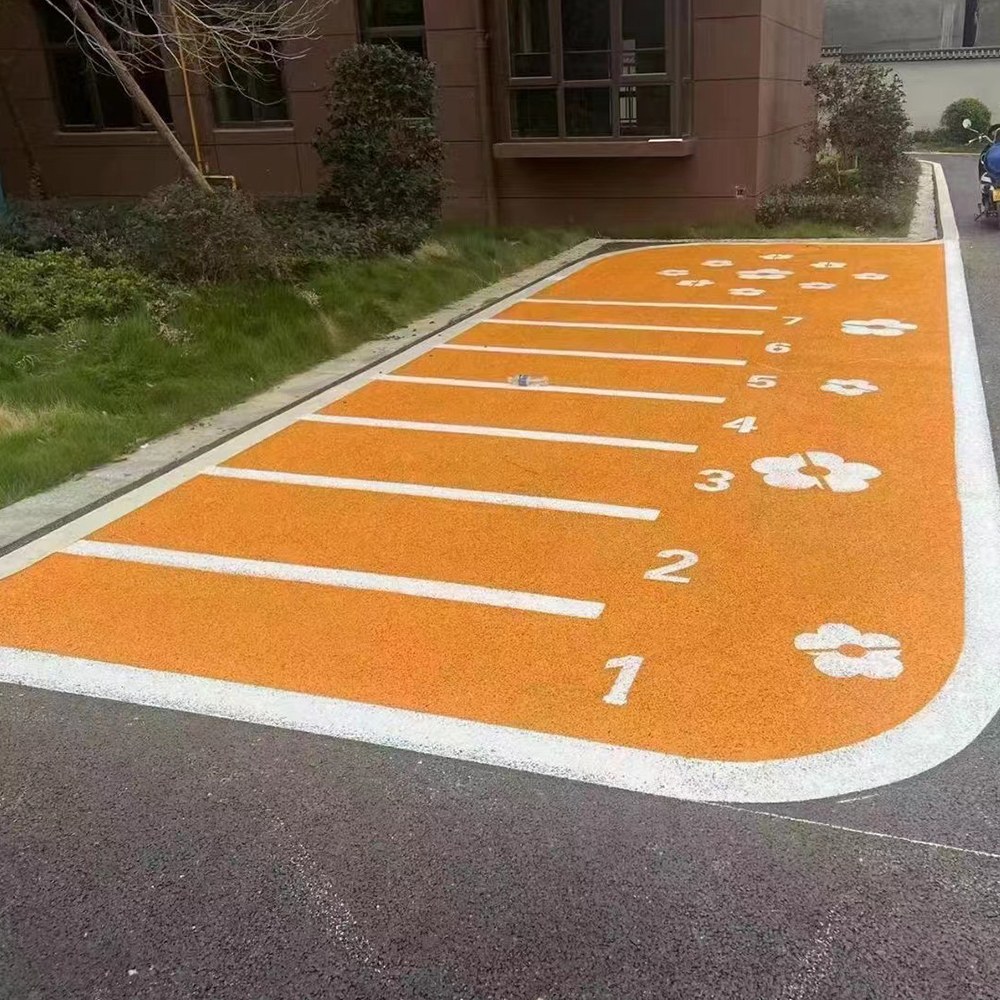
Residential communities — internal roads and landscape traffic routes
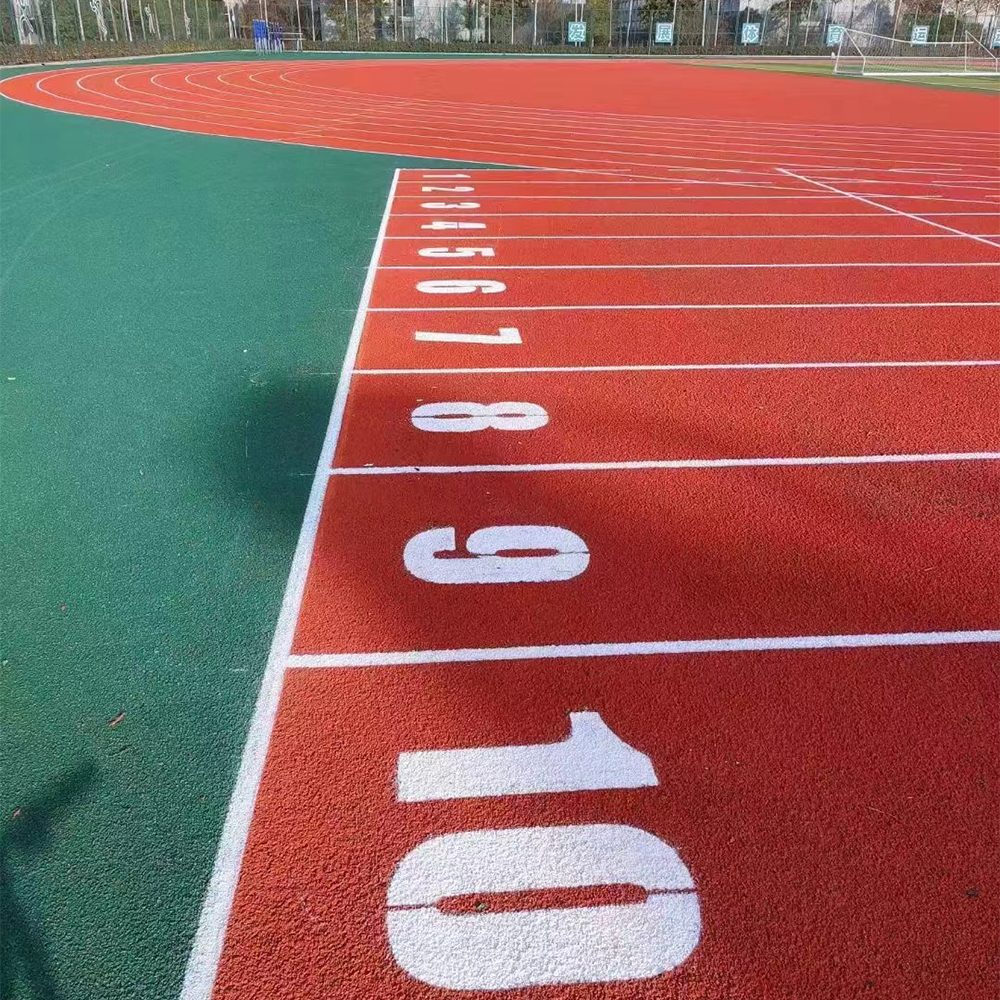
Schools and recreational areas — activity zones, numbered areas and colored pavement
Road repainting projects — renewal of faded traffic lines and symbols
Remove dust, loose particles, oil, water and other contamination from the pavement.
Stir the material thoroughly before use to maintain uniform color and application consistency.
When required by site temperature or working conditions, add a compatible thinner and mix evenly.
Use the selected application method for road lines, symbols or colored pavement areas.
For reflective markings, distribute suitable glass beads while the coating is still fresh.
Reference drying performance:
7–10 min: non-stick tire condition at 23°C
20–30 min: complete drying
The material is supplied in liquid form and can be used for room-temperature marking work. This makes project setup simpler for maintenance teams that do not need a thermoplastic melting kettle.
Complex arrows, icons, bicycle markings and irregular colored zones can be handled more flexibly than large hot-melt striping operations.
At 23°C, the coating reaches a non-stick tire condition in around 7–10 minutes, helping crews move through smaller marking areas efficiently.
Glass beads can be spread onto the fresh coating where night visibility is required.
No. It is supplied as a liquid room-temperature solvent marking paint.
Acrylic resin.
At approximately 23°C, the reference non-stick tire time is 7–10 minutes, with complete drying in around 20–30 minutes.
White, yellow, green, red and blue are listed as standard color directions.
Yes. Glass beads can be sprinkled onto the fresh marking surface for reflective performance.
Yes. When the paint becomes too thick for the working conditions, thinner may be added before thorough mixing.
25 kg/barrel.